
Surgery and Relief From Morton’s Neuroma

Morton’s neuroma occurs when tissue surrounding a nerve between the toes becomes thickened, leading to burning pain, tingling, or a feeling of walking on a small object. When conservative measures such as shoe modification, orthotics, activity changes, or injections fail to provide relief, surgical intervention may be considered. The procedure is designed to reduce pressure on the irritated nerve or remove the affected nerve segment, depending on the individual case and severity of symptoms. Surgery is usually performed on an outpatient basis and often allows for a gradual return to walking with protective footwear. Healing time varies, but many patients experience meaningful improvement as inflammation resolves. Some numbness between the toes can occur following nerve removal and is considered during treatment planning. When forefoot pain continues to interfere with comfort and mobility, it is suggested that you seek evaluation by a podiatrist to help determine appropriate next steps, which may include surgery. 

Foot surgery is sometimes necessary to treat a foot ailment. To learn more, contact one of our podiatrists of Houston Foot and Ankle Care. Our doctors will assist you with all of your foot and ankle needs.

When Is Surgery Necessary?

Foot and ankle surgery is generally reserved for cases in which less invasive, conservative procedures have failed to alleviate the problem. Some of the cases in which surgery may be necessary include:

  • Removing foot deformities like bunions and bone spurs
  • Severe arthritis that has caused bone issues
  • Cosmetic reconstruction

What Types of Surgery Are There?

The type of surgery you receive will depend on the nature of the problem you have. Some of the possible surgeries include:

  • Bunionectomy for painful bunions
  • Surgical fusion for realignment of bones
  • Neuropathy decompression surgery to treat nerve damage

Benefits of Surgery

Although surgery is usually a last resort, it can provide more complete pain relief compared to non-surgical methods and may allow you to finally resume full activity.

Surgical techniques have also become increasingly sophisticated. Techniques like endoscopic surgery allow for smaller incisions and faster recovery times.

If you have any questions, please feel free to contact our offices located in Inner Loop, Southwest, Greater Heights, and Pearland, TX . We offer the newest diagnostic and treatment technologies for all your foot care needs.


Read more about Foot and Ankle Surgery

Finding the Best Running Shoes for Your Arch Type

Wearing the right running shoes plays an important role in comfort, performance, and injury prevention. Arch type influences how the foot absorbs shock and transfers force during movement. People with low arches often overpronate, meaning the foot rolls inward excessively. Stability or motion control shoes can help provide support and improve alignment. High arches tend to absorb less shock, placing more stress on the heel and forefoot. Cushioned shoes with flexible soles often work better for this foot type. Neutral arches usually function efficiently and benefit from balanced shoes that offer moderate support and cushioning. Fit, activity level, and running surface also matter when choosing footwear. A proper evaluation helps match shoe design to individual mechanics. Wearing the wrong shoe can contribute to pain or overuse injuries. If running causes foot discomfort or repeated problems, it is suggested that you see a podiatrist for treatment and guidance on proper footwear.

You should always make sure your running shoes fit properly in order to avoid injury. For more information, contact one of our podiatrists from Houston Foot and Ankle Care. Our doctors can provide the care you need to keep you pain-free and on your feet.

Choosing the Right Running Shoe for Your Foot Type

Improper shoe sizing can cause a myriad of problems for your feet. Shoes that don’t fit you properly can lead to muscular imbalances in your body, which can result in foot, knee, and hip injuries.

Tips for Finding the Right Running Shoe

  • Make sure you have a thumb’s width of wiggle room between the end of your longest toe and the front of the shoe.
  • There should be little to no slipping at the heel
  • Don’t assume your size in one shoe brand will be your size in another
  • Do not lace up your shoes too tightly
  • Walk around in the store with your new shoes before you buy them

If you have any questions, please feel free to contact our offices located in Inner Loop, Southwest, Greater Heights, and Pearland, TX . We offer the newest diagnostic and treatment technologies for all your foot care needs.
Read more about Walking Shoes vs. Running Shoes

Are You Suffering From Ingrown Toenails?

If left untreated, an ingrown toenail can lead to more serious concerns, such as an infection. Knowing proper nail care can help in the prevention of an ingrown toenail. Give us a call, and get treated!

When Toes Feel Tingly or Lack Sensation

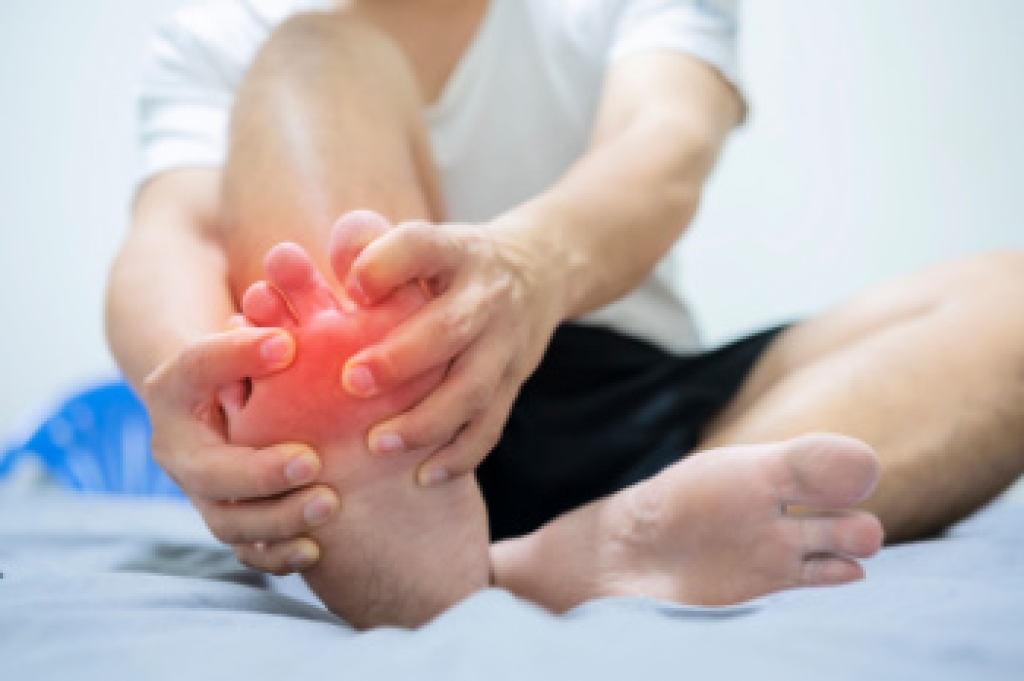
Unusual sensations in the toes, such as pins and needles, burning, or reduced feeling, can interfere with walking and balance. These changes often relate to nerve irritation or reduced blood flow. Common causes include diabetes, nerve compression in the foot or lower leg, repetitive pressure from footwear, vitamin deficiencies, or lower back issues that affect nerve pathways. Prolonged sitting or standing may also contribute. Symptoms can range from mild tingling to complete loss of sensation, weakness, or sensitivity to temperature. Some people notice symptoms worsen at night or during activity, while others experience constant discomfort. Treatment depends on identifying the underlying cause. Care may involve footwear adjustments, orthotics, nerve-focused treatment, circulation support, or management of systemic conditions. Early evaluation helps prevent progression and protects mobility. If you have persistent or worsening changes in sensation in your toes, it is suggested that you visit a podiatrist for a complete assessment involving a proper diagnosis and care.

Toe pain can disrupt your daily activities. If you have any concerns, contact one of our podiatrists of Houston Foot and Ankle Care. Our doctors can provide the care you need to keep you pain-free and on your feet.

What Causes Toe Pain?

Most severe toe pain is caused due to a sports injury, trauma from dropping something heavy on the toe, or bumping into something rigid. Other problems can develop over time for various reasons.

Toe pain can be caused by one or more ailments. The most common include:

  • Trauma
  • Sports injury
  • Wearing shoes that are too tight
  • Arthritis
  • Gout
  • Corns and calluses
  • Hammertoe
  • Bunions
  • Blisters
  • Ingrown toenails
  • Sprains
  • Fractures (broken bones)
  • Dislocations

When to See a Podiatrist

  • Severe pain
  • Persistent pain that lasts more than a week
  • Signs of infection
  • Continued swelling
  • Pain that prevents walking

Diagnosis

In many cases the cause of toe pain is obvious, but in others, a podiatrist may want to use more advanced methods to determine the problem. These can range from simple visual inspections and sensation tests to X-rays and MRI scans. Prior medical history, family medical history, and any recent physical traumatic events will all be taken into consideration for a proper diagnosis.

Treatment

Treatments for toe pain and injuries vary and may include shoe inserts, padding, taping, medicines, injections, and in some cases, surgery. If you believe that you have broken a toe, please see a podiatrist as soon as possible.

If you have any questions please contact our offices located in Inner Loop, Southwest, Greater Heights, and Pearland, TX . We offer the newest diagnostic and treatment technologies for all your foot and ankle needs.

Read more about Toe Pain

Why Your Child May Be Limping

A child may begin limping for many reasons, and it is important to identify the underlying cause. Common issues include a sprain from play, a splinter lodged in the foot, or painful blisters caused by friction from shoes. In some cases, a severe viral infection can lead to joint inflammation and discomfort that makes walking difficult. Risk factors include high activity levels, wearing poorly fitting footwear, minor unnoticed injuries, and recent illness. Limping may be accompanied by swelling, redness, tenderness, or reluctance to bear weight. A podiatrist can perform a thorough evaluation, diagnose the problem, and provide appropriate treatment to relieve pain and restore movement. If your child is limping, it is suggested that you consult a podiatrist who can determine what the cause and offer effective treatment solutions.

The health of a child’s feet is vital to their overall well-being. If you have any questions regarding foot health, contact one of our podiatrists of Houston Foot and Ankle Care. Our doctors can provide the care you need to keep you pain-free and on your feet.

Tips for Keeping Children's Feet Healthy

  • Make sure their shoes fit properly
  • Look for any signs of in-toeing or out-toeing
  • Check to see if they have Clubfoot (condition that affects your child’s foot and ankle, twisting the heel and toes inward) which is one of the most common nonmajor birth defects.
  • Lightly cover your baby’s feet (Tight covers may keep your baby from moving their feet freely, and could prevent normal development)
  • Allow your toddler to go shoeless (Shoes can be restricting for a young child’s foot)
  • Cut toenails straight across to avoid ingrown toenails
  • Keep your child’s foot clean and dry
  • Cover cuts and scrapes. Wash any scratches with soap and water and cover them with a bandage until they’ve healed.

If you have any questions, please feel free to contact our offices located in Inner Loop, Southwest, Greater Heights, and Pearland, TX . We offer the newest diagnostic and treatment technologies for all your foot care needs.

Read more about What to Do to Keep Your Child’s Feet Healthy

Connect With Us

Advanced Podiatric Procedures & Services in the Houston, TX 77027, 77074, 77007 and Pearland, TX 77584 areas