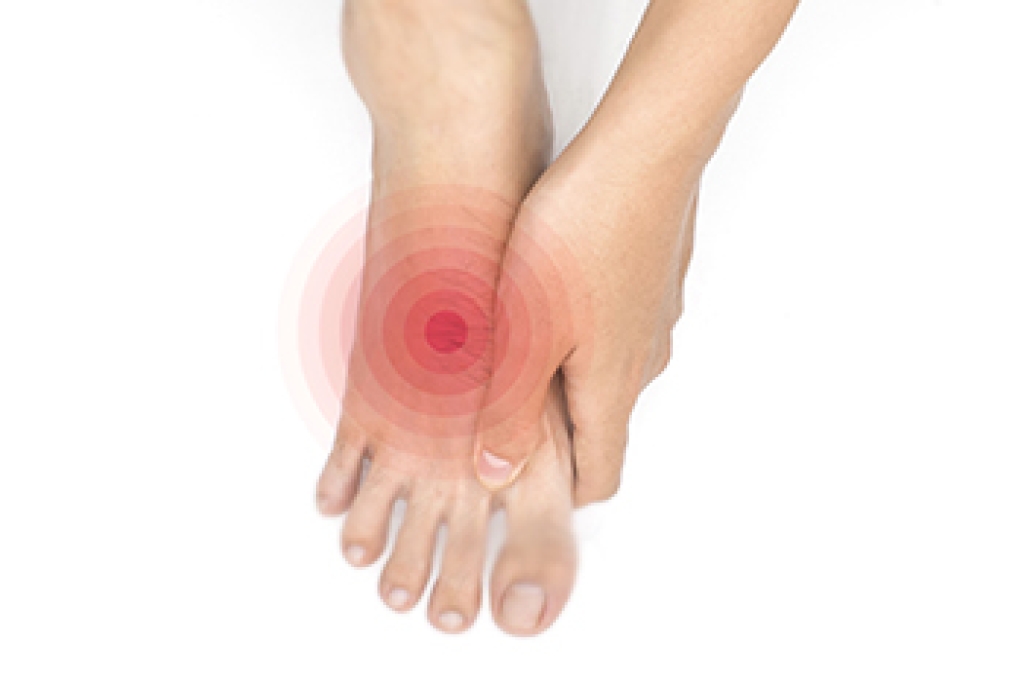
Diabetic Foot Pain and Nerve Damage

Foot pain from diabetes is a common and serious condition that develops when prolonged high blood sugar damages nerves and blood vessels. This condition is known as diabetic neuropathy and often affects the feet first, due to their distance from the heart and reduced circulation. Over time, nerve damage disrupts normal sensation, making it difficult to feel temperature changes, pressure, or even injuries. Many individuals describe this pain as burning, tingling, or sharp discomfort. The condition may begin subtly, but can progress into persistent pain that interferes with daily activities. Early recognition is essential to prevent complications such as ulcers or infections.

Symptoms of diabetic foot pain often include numbness, tingling sensations, and heightened sensitivity. Some individuals experience a pins and needles feeling, while others report a complete loss of sensation. A hallmark sign is increasing pain during the night, which can disrupt sleep and reduce quality of life. In more advanced cases, muscle weakness or changes in foot shape may develop. Since sensation is reduced, minor cuts or blisters may go unnoticed and worsen, over time. This makes routine foot checks an important part of daily care for anyone managing diabetes.


Several risk factors contribute to the development of diabetic neuropathy. Poor blood sugar control is the most significant factor, as elevated glucose levels damage nerve fibers over time. Additional risks include long duration of diabetes, smoking, obesity, and poor circulation. Causes of foot pain in diabetes are directly tied to nerve damage and reduced blood flow, which limits the body’s ability to heal. Without proper care, this can lead to chronic wounds or infections that require advanced medical attention. Understanding these risks helps patients take proactive steps toward prevention.


Managing diabetic foot pain begins with maintaining stable blood sugar levels through diet, exercise, and medication. Wearing supportive footwear, inspecting feet daily, and keeping skin moisturized can also help prevent complications. Regular visits with a podiatrist ensure early detection of any developing issues. If you have developed diabetic foot pain, it is strongly suggested that you are under the care of a podiatrist who can help you to manage this serious condition.

Foot Pain

Foot pain can be extremely painful and debilitating. If you have a foot pain, consult with one of our podiatrists from Houston Foot and Ankle Care. Our doctors will assess your condition and provide you with quality foot and ankle treatment.

Causes

Foot pain is a very broad condition that could be caused by one or more ailments. The most common include:

  • Bunions
  • Hammertoes
  • Plantar Fasciitis
  • Bone Spurs
  • Corns
  • Tarsal Tunnel Syndrome
  • Ingrown Toenails
  • Arthritis (such as Gout, Rheumatoid, and Osteoarthritis)
  • Flat Feet
  • Injury (from stress fractures, broken toe, foot, ankle, Achilles tendon ruptures, and sprains)
  • And more

Diagnosis

To figure out the cause of foot pain, podiatrists utilize several different methods. This can range from simple visual inspections and sensation tests to X-rays and MRI scans. Prior medical history, family medical history, and any recent physical traumatic events will all be taken into consideration for a proper diagnosis.

Treatment

Treatment depends upon the cause of the foot pain. Whether it is resting, staying off the foot, or having surgery; podiatrists have a number of treatment options available for foot pain.

If you have any questions, please feel free to contact our offices located in Inner Loop, Southwest, Greater Heights, and Pearland, TX . We offer the newest diagnostic and treatment technologies for all your foot care needs.


Read more about Foot Pain

Reasons for Foot and Ankle Pain While Running

While running is a popular fitness exercise, it places repeated stress on the feet and ankles that can lead to pain. Common reasons for running pain include overuse, weak or tight muscles, and wearing shoes that no longer provide enough support. Previous injuries, such as ankle sprains, can also cause lasting weakness and make new injuries more likely. Running pain also may develop from Achilles tendon problems, plantar fasciitis, or stress fractures. Some runners feel pain in the heel, while others notice it in the arch, ankle, or along the side of the foot. A podiatrist can examine the foot and ankle to find the source of the pain. Treatment includes custom orthotics, bracing, and guidance on better running shoes. Surgery may be needed if the injury is severe. If you have foot or ankle pain while running, it is suggested that you schedule an appointment with a podiatrist for a diagnosis and appropriate treatment. 

Exercising your feet regularly with the proper foot wear is a great way to prevent injuries. If you have any concerns about your feet, contact one of our podiatrists of Houston Foot and Ankle Care. Our doctors will treat your foot and ankle needs.

How to Prevent Running Injuries

Many common running injuries are caused by overuse and overtraining. When the back of the kneecap starts wearing out and starts causing pain in your knee, this is commonly referred to as runner’s knee. Runner’s knee is a decrease in strength in your quadriceps and can occur if you’re not wearing properly fitted or supporting shoes. To prevent runner’s knee, focusing on hip strengthening is a good idea, as well as strengthening your quads to keep the kneecaps aligned.

What Are Some Causes of Running Injuries? 
- One cause of a common running injury is called iliotibial band syndrome.
- Plantar fasciitis is also another common injury.
- Stress fractures can occur from overtraining, lack of calcium, or even your running style.

Best Ways to Prevent Running Injuries
- Wear footwear that fits properly and suits your running needs.
- Running shoes are the only protective gear that runners have to safeguard them from injury.
- Make a training schedule. Adding strengthening exercises as well as regular stretching can help keep you strong and limber and can lessen the possibility of injuries.
- Stretching keeps muscles limber; this will help you gain better flexibility.

If you have any questions, please feel free to contact our offices located in Inner Loop, Southwest, Greater Heights, and Pearland, TX . We offer the newest diagnostic and treatment technologies for all your foot care needs.

Read more about How to Prevent Running Injuries

Wounds That Don't Heal Need to Be Checked

Your feet are covered most of the day. If you're diabetic, periodic screening is important for good health. Numbness is often a sign of diabetic foot and can mask a sore or wound.

Staying Comfortable on Your Feet at Work

Foot care while working is important because many jobs require long hours of standing, walking, or lifting, which can place stress on the feet. Wearing the right shoes is essential, since proper support helps reduce pressure on the heels, arches, and toes. Stretching the feet when possible can also help improve flexibility and reduce stiffness during the day. At home, basic care like resting the feet and monitoring discomfort can help prevent problems from getting worse. Without proper care, people may develop pain, swelling, or fatigue that affects daily movement. A podiatrist can evaluate foot structure, recommend supportive footwear, and provide treatment plans tailored to work-related strain. If foot discomfort continues, it is suggested that you consult a podiatrist for an evaluation and appropriate care.

While working on the feet, it is important to take the proper care of them. For more information about working on your feet, contact one of our podiatrists from Houston Foot and Ankle Care. Our doctors will treat your foot and ankle needs.

Working on Your Feet

Standing on your feet for long periods of time can cause stress and pain in your feet. Your whole body may experience change in terms of posture, back pain, bunions, callouses and or plantar warts. There are ways to avoid these conditions with proper foot care, smart choices and correct posture.

Positive Changes

Negative heeled shoe – Choosing this shoe type places the heel slightly lower than the ball of the foot. These are great for overall foot health. Find shoes that fit you correctly.

Go barefoot – Our feet were not designed to be enclosed for all hours of the day. Try to periodically expose your feet to air.

Eliminate Pain

Foot Exercises – Performing simple exercises, incorporating yoga and doing stretches are beneficial. This will allow increased blood flow to the area and muscles of the foot.

Achilles tendon – Stretching the foot out flat on the floor will relax the calf muscles and tendon. These exercises can be performed almost anywhere. Make sure you add these exercises to your daily regimen. 

With a little bit of this information and knowing more about foot health, you will notice changes. Foot stretches and proper footwear will help with pain and prevent further issues.

If you have any questions please contact our offices located in Inner Loop, Southwest, Greater Heights, and Pearland, TX . We offer the newest diagnostic and treatment technologies for all your foot and ankle needs.

Read more about How to Handle a Long Work Day on Your Feet

Ankle Popping and Exercises That Help

Ankle popping can happen while walking, exercising, or rotating the foot. The sound is sometimes caused by tendons sliding across the ankle bones or small gas bubbles releasing inside the joint. Tight muscles, weak ankle support, and previous ankle sprains can also lead to popping sensations. In some cases, the tendons on the outer side of the ankle move out of place and create a snapping sound. Exercises that improve ankle strength and flexibility can help reduce stress on the joint. Helpful exercises include ankle circles, calf raises, and balancing on one foot. These movements strengthen the muscles that support the ankle and improve stability. Stretching the calf muscles can also help the ankle move more smoothly while walking and being active. If ankle popping is accompanied by pain, swelling, or stiffness, a podiatrist can examine the ankle and recommend proper treatment. If your ankle frequently makes a popping sound, it is suggested that you schedule an appointment with a podiatrist.

Ankle pain can be caused by a number of problems and may be potentially serious. If you have ankle pain, consult with one of our podiatrists from Houston Foot and Ankle Care. Our doctors will assess your condition and provide you with quality foot and ankle treatment.

Ankle pain is any condition that causes pain in the ankle. Due to the fact that the ankle consists of tendons, muscles, bones, and ligaments, ankle pain can come from a number of different conditions.

Causes

The most common causes of ankle pain include:

  • Types of arthritis (rheumatoid, osteoarthritis, and gout)
  • Ankle sprains
  • Broken ankles
  • Achilles tendonitis
  • Achilles tendon rupture
  • Stress fractures
  • Bursitis
  • Tarsal tunnel syndrome
  • Plantar fasciitis

Symptoms

Symptoms of ankle injury vary based upon the condition. Pain may include general pain and discomfort, swelling, aching, redness, bruising, burning or stabbing sensations, and/or loss of sensation.

Diagnosis

Due to the wide variety of potential causes of ankle pain, podiatrists will utilize a number of different methods to properly diagnose ankle pain. This can include asking for personal and family medical histories and of any recent injuries. Further diagnosis may include sensation tests, a physical examination, and potentially x-rays or other imaging tests.

Treatment

Just as the range of causes varies widely, so do treatments. Some more common treatments are rest, ice packs, keeping pressure off the foot, orthotics and braces, medication for inflammation and pain, and surgery.

If you have any questions please feel free to contact our offices located in Inner Loop, Southwest, Greater Heights, and Pearland, TX . We offer the newest diagnostic tools and technology to treat your foot and ankle needs.

Read more about Ankle Pain

Connect With Us

Advanced Podiatric Procedures & Services in the Houston, TX 77027, 77074, 77007 and Pearland, TX 77584 areas