
Understanding Pain on the Outer Side of the Foot

Pain on the outer side of the foot, also known as lateral foot pain, can be caused by a variety of conditions including stress fractures, tendonitis, ankle sprains, or a condition called cuboid syndrome. This type of pain may feel sharp, aching, or burning and often worsens with walking, running, or standing for long periods. Swelling, bruising, or a visible bump may appear, and the foot may feel weak or unstable. The discomfort can range from mild to severe, sometimes making it difficult to wear shoes or bear weight on the affected foot. A podiatrist can assess the issue through a detailed examination, medical history, and diagnostic imaging, such as an X-ray or MRI. Depending on the diagnosis, treatment may include orthotics, targeted exercises, immobilization, or in some cases, surgery. Early intervention can prevent the condition from worsening. It is suggested that you make an appointment with a podiatrist to identify the cause and begin effective treatment.

Foot Pain

Foot pain can be extremely painful and debilitating. If you have a foot pain, consult with one of our podiatrists from Houston Foot and Ankle Care. Our doctors will assess your condition and provide you with quality foot and ankle treatment.

Causes

Foot pain is a very broad condition that could be caused by one or more ailments. The most common include:

  • Bunions
  • Hammertoes
  • Plantar Fasciitis
  • Bone Spurs
  • Corns
  • Tarsal Tunnel Syndrome
  • Ingrown Toenails
  • Arthritis (such as Gout, Rheumatoid, and Osteoarthritis)
  • Flat Feet
  • Injury (from stress fractures, broken toe, foot, ankle, Achilles tendon ruptures, and sprains)
  • And more

Diagnosis

To figure out the cause of foot pain, podiatrists utilize several different methods. This can range from simple visual inspections and sensation tests to X-rays and MRI scans. Prior medical history, family medical history, and any recent physical traumatic events will all be taken into consideration for a proper diagnosis.

Treatment

Treatment depends upon the cause of the foot pain. Whether it is resting, staying off the foot, or having surgery; podiatrists have a number of treatment options available for foot pain.

If you have any questions, please feel free to contact our offices located in Inner Loop, Southwest, Greater Heights, and Pearland, TX . We offer the newest diagnostic and treatment technologies for all your foot care needs.
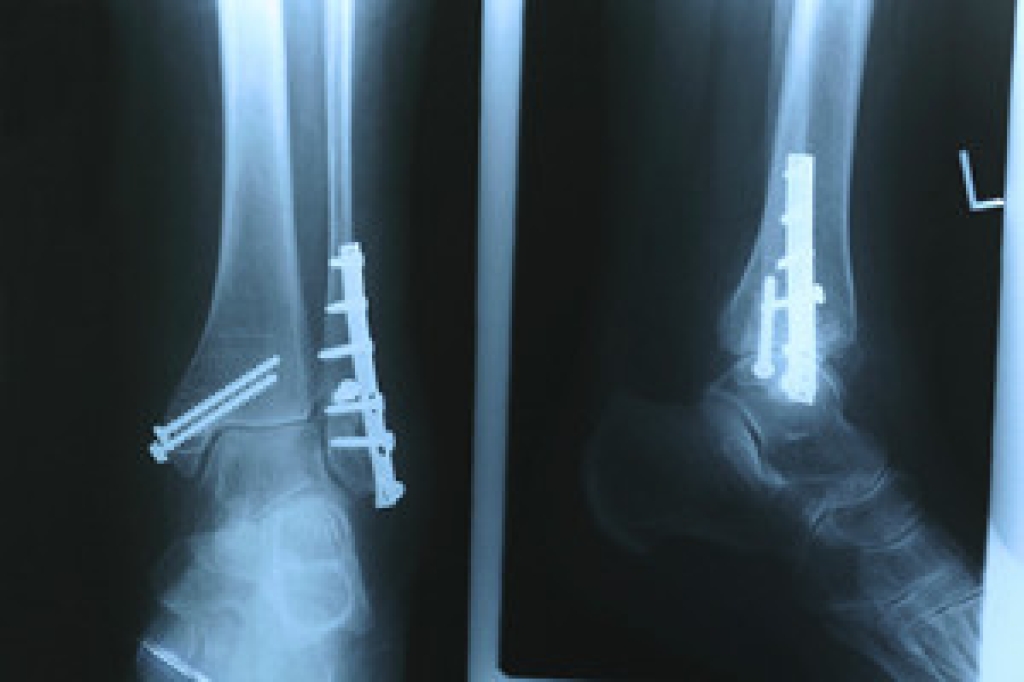

Read more about Foot Pain

Possible Treatment of a Broken Foot

A common reason a broken foot may occur can be from falling off of a ladder, or it may become injured from participating in sporting events. The bones that are located between the toes and the ankle are referred to as the metatarsals. They can be prone to stress fractures, which typically happen from overuse. The average healing time for a broken foot is generally six to twelve weeks. Many daily activities are able to be completed as the healing process occurs when a walking boot or cast is worn. For more severe fractures, it may take longer if surgery is required. If you have pain in your feet as a result of either a fall or something else, it is advised that you consult with a podiatrist.

A broken foot requires immediate medical attention and treatment. If you need your feet checked, contact one of our podiatrists from Houston Foot and Ankle Care. Our doctors can provide the care you need to keep you pain-free and on your feet.

Broken Foot Causes, Symptoms, and Treatment

A broken foot is caused by one of the bones in the foot typically breaking when bended, crushed, or stretched beyond its natural capabilities. Usually the location of the fracture indicates how the break occurred, whether it was through an object, fall, or any other type of injury. 

Common Symptoms of Broken Feet:

  • Bruising
  • Pain
  • Redness
  • Swelling
  • Blue in color
  • Numbness
  • Cold
  • Misshapen
  • Cuts
  • Deformities

Those that suspect they have a broken foot shoot seek urgent medical attention where a medical professional could diagnose the severity.

Treatment for broken bones varies depending on the cause, severity and location. Some will require the use of splints, casts or crutches while others could even involve surgery to repair the broken bones. Personal care includes the use of ice and keeping the foot stabilized and elevated.

If you have any questions, please feel free to contact our offices located in Inner Loop, Southwest, Greater Heights, and Pearland, TX . We offer the newest diagnostic and treatment technologies for all your foot care needs.
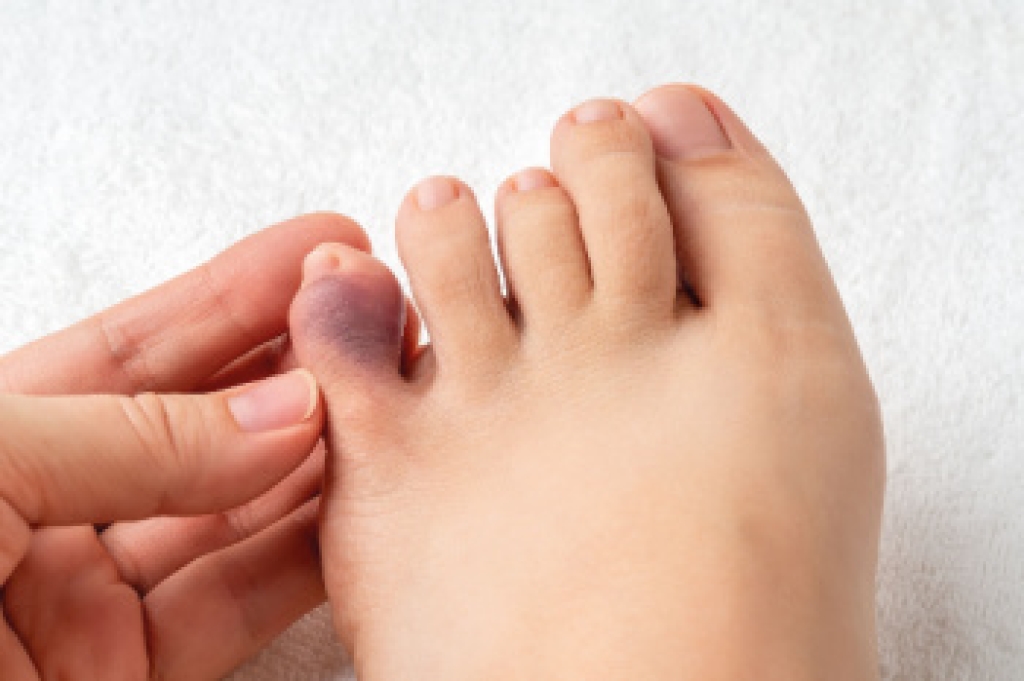
Read more about Causes, Symptoms, and Treatment for a Broken Foot

Reminder: When Was the Last Time...?

Custom orthotics, or shoe inserts, should be periodically replaced. Orthotics must fit properly to give you the best results. Protect your feet and ankles!

Have I Broken My Pinky Toe?

A broken pinky toe can occur from stubbing the toe, dropping a heavy object on it, or twisting it awkwardly. Although it is often difficult to distinguish from a severe bruise or sprain, certain signs can indicate a fracture. Symptoms include sharp pain, swelling, bruising, tenderness, deformity, and difficulty walking or putting weight on the foot. Prompt evaluation is important to prevent long-term issues such as misalignment or chronic pain. A podiatrist can accurately diagnose a broken pinky toe fracture using a physical examination and imaging, provide proper immobilization, offer pain management, and guide recovery. If you have symptoms of a broken pinky toe, it is suggested that you  promptly consult a podiatrist who can effectively treat this condition.

Broken toes may cause a lot of pain and should be treated as soon as possible. If you have any concerns about your feet, contact one of our podiatrists from Houston Foot and Ankle Care. Our doctors will treat your foot and ankle needs.

What Is a Broken Toe?

A broken toe occurs when one or more of the toe bones of the foot are broken after an injury. Injuries such as stubbing your toe or dropping a heavy object on it may cause a toe fracture.

Symptoms of a Broken Toe

  • Swelling
  • Pain (with/without wearing shoes)
  • Stiffness
  • Nail Injury

Although the injured toe should be monitored daily, it is especially important to have a podiatrist look at your toe if you have severe symptoms. Some of these symptoms include worsening or new pain that is not relieved with medication, sores, redness, or open wounds near the toe.

If you have any questions please feel free to contact our offices located in Inner Loop, Southwest, Greater Heights, and Pearland, TX . We offer the newest diagnostic tools and technology to treat your foot and ankle needs.

Read more about What to Know About a Broken Toe

Understanding Edema During Pregnancy

Edema, the medical term for swelling, is caused by excess fluid trapped in the body’s tissues, most commonly affecting the feet, ankles, and legs. During pregnancy, edema is often the result of hormonal changes, increased blood volume, and the growing uterus, which places pressure on blood vessels, slowing circulation. While mild swelling is common, significant or sudden edema can increase risks of discomfort, reduced mobility, or, in rare cases, indicate more serious conditions like preeclampsia. A podiatrist can provide supportive care by recommending proper footwear, compression options, and safe strategies to reduce swelling and maintain comfort. If you are experiencing persistent foot pain or swelling during pregnancy, it is suggested that you consult a podiatrist who can offer effective relief and management tips. 

Pregnant women with swollen feet can be treated with a variety of different methods that are readily available. For more information about other cures for swollen feet during pregnancy, consult with one of our podiatrists from Houston Foot and Ankle Care. Our doctors will attend to all of your foot and ankle needs.

What Foot Problems Can Arise During Pregnancy?

One problem that can occur is overpronation, which occurs when the arch of the foot flattens and tends to roll inward.  This can cause pain and discomfort in your heels while you’re walking or even just standing up, trying to support your baby.  

Another problem is edema, or swelling in the extremities. This often affects the feet during pregnancy but tends to occur in the later stages. 

How Can I Keep My Feet Healthy During Pregnancy?

  • Wearing orthotics can provide extra support for the feet and help distribute weight evenly
  • Minimize the amount of time spent walking barefoot
  • Wear shoes with good arch support
  • Wear shoes that allow for good circulation to the feet
  • Elevate feet if you experience swelling
  • Massage your feet
  • Get regular, light exercise, such as walking, to promote blood circulation to the feet

If you have any questions, please feel free to contact our offices located in Inner Loop, Southwest, Greater Heights, and Pearland, TX . We offer the newest diagnostic and treatment technologies for all your foot care needs.

Read more about Foot Care for Pregnant Women

Connect With Us

Advanced Podiatric Procedures & Services in the Houston, TX 77027, 77074, 77007 and Pearland, TX 77584 areas