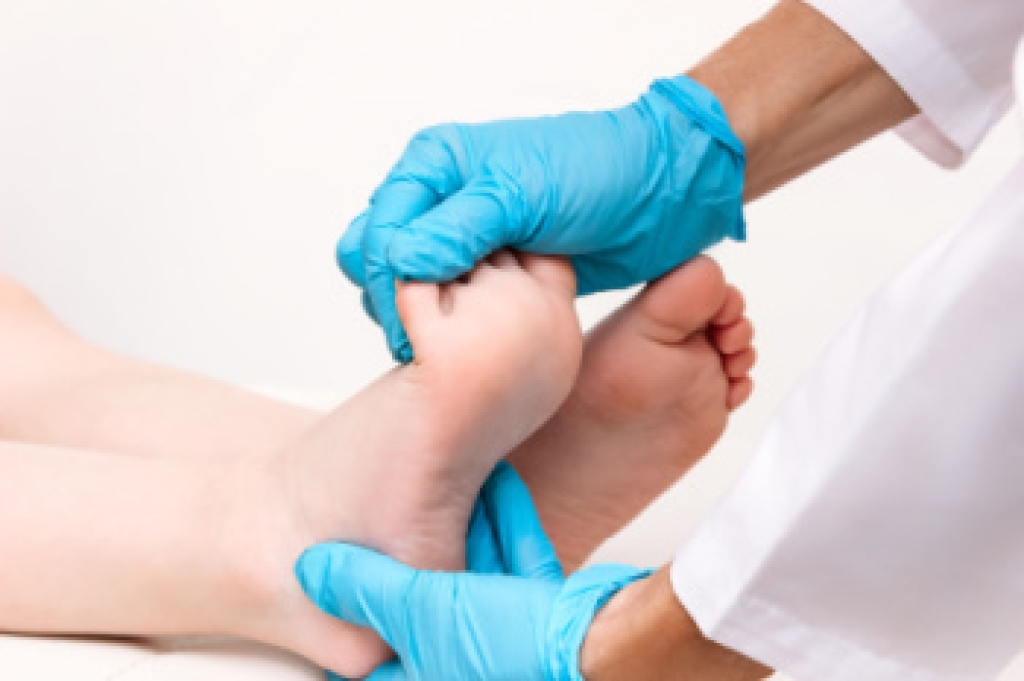
Common Childhood Foot Problems That Affect Walking

Foot and leg problems in children are often related to growth and development, but some conditions may require attention to prevent long-term issues. Common concerns include in-toeing, out-toeing, and flat foot. These conditions affect how a child walks and stands, and they can influence balance and coordination. In-toeing occurs when the feet turn inward when walking. It is often caused by metatarsus adductus, a condition in which the front part of the foot curves inward. Out-toeing involves the feet turning outward and is frequently linked to external tibial torsion, where the shin bone rotates outward.

Symptoms of in-toeing may include a noticeable inward foot position, frequent tripping, and uneven shoe wear. Children with metatarsus adductus may have a curved forefoot that is visible even when at rest. Out-toeing symptoms include an outward foot position, difficulty running efficiently, and a wider walking stance. External tibial torsion may become more noticeable as a child grows and becomes more active. Flat foot is another common condition in children, characterized by a low or absent arch when standing. Symptoms of flat foot can include foot fatigue, discomfort after activity, and inward rolling of the ankles.


Several risk factors contribute to these pediatric foot conditions. Genetics play a significant role, as children may inherit structural traits that affect foot alignment. External tibial torsion may develop as bones grow and rotate. Flat foot is often seen in younger children due to undeveloped arches, but it may persist in some cases. Obesity, improper footwear, and lack of supportive shoes can increase stress on developing feet and worsen symptoms.


Early recognition and proper care are essential for supporting healthy foot development in children. Supportive footwear and, in some cases, custom orthotics may help improve alignment and comfort. If your child has foot pain, it is suggested that you consult a podiatrist for an accurate diagnosis and appropriate treatment.

Making sure that your children maintain good foot health is very important as they grow. If you have any questions, contact one of our podiatrists of Houston Foot and Ankle Care. Our doctors can provide the care you need to keep you pain-free and on your feet.

Keeping Children's Feet Healthy

Having healthy feet during childhood can help prevent medical problems later in life, namely in the back and legs. As children grow, their feet require different types of care. Here are some things to consider...

Although babies do not walk yet, it is still very important to take care of their feet.

Avoid putting tight shoes or socks on his or her feet.

Allow the baby to stretch and kick his or her feet to feel comfortable.

As a toddler, kids are now on the move and begin to develop differently. At this age, toddlers are getting a feel for walking, so don’t be alarmed if your toddler is unsteady or ‘walks funny’. 

As your child gets older, it is important to teach them how to take care of their feet.

Show them proper hygiene to prevent infections such as fungus.

Be watchful for any pain or injury.

Have all injuries checked by a doctor as soon as possible.

Comfortable, protective shoes should always be worn, especially at play.

If you have any questions, please feel free to contact our offices located in Inner Loop, Southwest, Greater Heights, and Pearland, TX . We offer the newest diagnostic and treatment technologies for all your foot care needs.
Read more about How to Care for Your Child's Feet

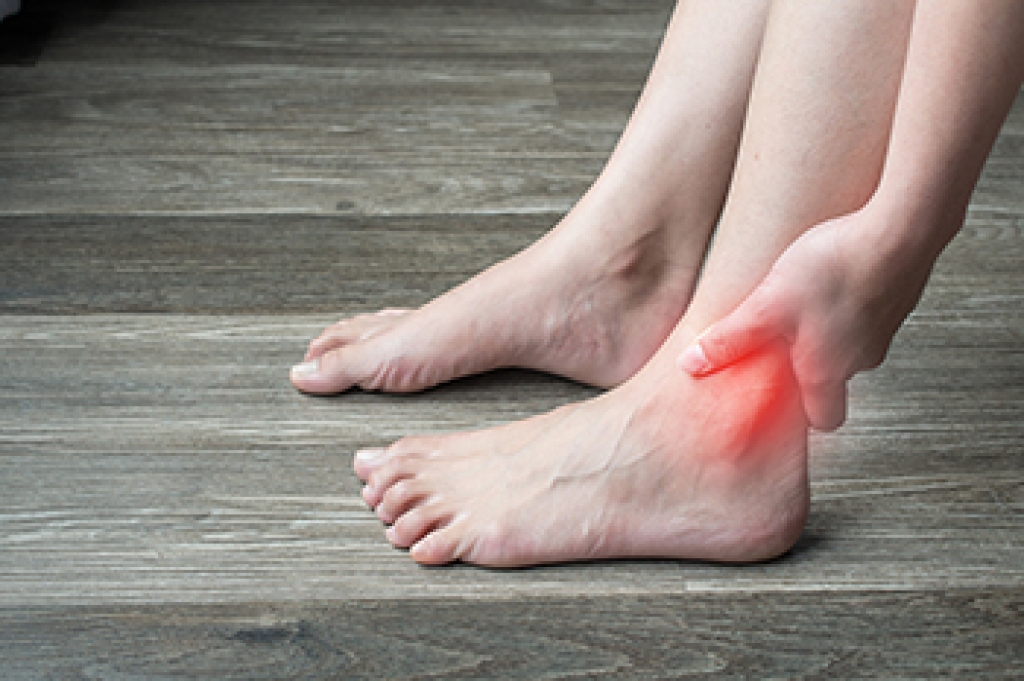
Common Causes of Ankle Pain

Ankle pain is a frequent concern that can affect mobility and daily activities. It is defined as discomfort or inflammation in or around the ankle joint, which connects the foot to the lower leg. Several conditions can lead to ankle pain, including Achilles tendinitis, edema, arthritis, and bursitis. Each condition affects the ankle in a different way, but all can interfere with stability and movement. Understanding these causes helps individuals identify symptoms and seek appropriate care.

Symptoms of ankle pain vary depending on the underlying condition. Achilles tendinitis involves irritation of the tendon that connects the calf muscles to the heel, often causing stiffness and pain during movement. Edema refers to swelling caused by fluid buildup, which can make the ankle appear enlarged and feel tight. Arthritis involves joint inflammation, leading to stiffness, reduced range of motion, and persistent discomfort. Bursitis occurs when fluid filled sacs that cushion the joint become inflamed, causing localized pain and tenderness. These symptoms may develop gradually or appear suddenly.


Risk factors for ankle pain include overuse, aging, and underlying health conditions. Individuals who participate in repetitive activities or high impact sports may place excessive strain on the ankle. Wearing poor footwear and lack of support can also contribute to discomfort. Arthritis risk increases with age and joint wear, while edema may be linked to circulation issues. Bursitis can develop from repeated pressure or irritation. These factors can combine to increase stress on the ankle joint and surrounding tissues.


Managing ankle pain involves identifying the cause and taking steps to reduce strain. Rest, wearing supportive footwear, and proper movement techniques can help relieve symptoms. Early evaluation is important to prevent worsening conditions and maintain joint health. Addressing symptoms promptly can improve recovery and reduce long term issues. If you have ankle pain, it is suggested that you consult a podiatrist for an accurate diagnosis and appropriate treatment.

Ankle pain can have many different causes and the pain may potentially be serious. If you have ankle pain, consult with one of our podiatrists from Houston Foot and Ankle Care. Our doctors will assess your condition and provide you with quality foot and ankle treatment.

Ankle pain is any condition that causes pain in the ankle. Due to the fact that the ankle consists of tendons, muscles, bones, and ligaments, ankle pain can come from a number of different conditions.

Causes

The most common causes of ankle pain include:

  • Types of arthritis (rheumatoid, osteoarthritis, and gout)
  • Ankle sprains
  • Broken ankles
  • Achilles tendinitis
  • Achilles tendon rupture
  • Stress fractures
  • Tarsal tunnel syndrome
  • Plantar fasciitis

Symptoms

Symptoms of ankle injury vary based upon the condition. Pain may include general pain and discomfort, swelling, aching, redness, bruising, burning or stabbing sensations, and/or loss of sensation.

Diagnosis

Due to the wide variety of potential causes of ankle pain, podiatrists will utilize a number of different methods to properly diagnose ankle pain. This can include asking for personal and family medical histories and of any recent injuries. Further diagnosis may include sensation tests, a physical examination, and potentially x-rays or other imaging tests.

Treatment

Just as the range of causes varies widely, so do treatments. Some more common treatments are rest, ice packs, keeping pressure off the foot, orthotics and braces, medication for inflammation and pain, and surgery.

If you have any questions please feel free to contact our offices located in Inner Loop, Southwest, Greater Heights, and Pearland, TX . We offer the newest diagnostic tools and technology to treat your foot and ankle needs.

Read more about Various Causes of Ankle Pain

Heel Pain Can Be Treated!

Do you suffer from heel pain when you get up in the morning? If so, you should seek professional help and have a proper diagnosis performed. Heel pain can be caused by several different foot-related conditions.

Bunions and Effective Ways to Manage Foot Alignment

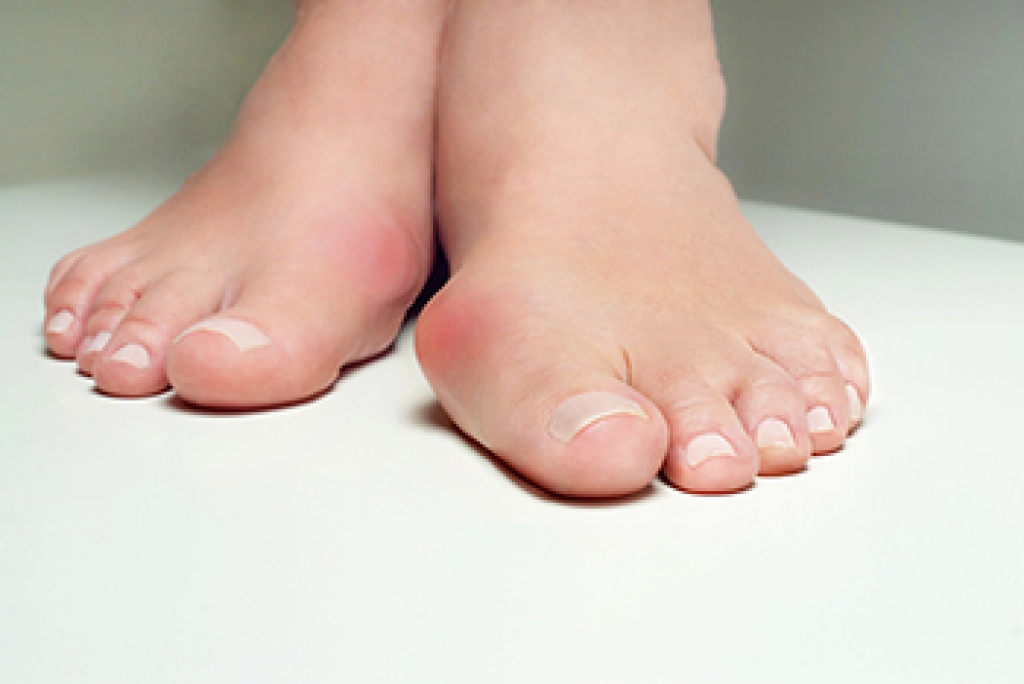
A bunion is a structural foot condition that develops as a bony bump at the base of the big toe. It forms when the top of the toe shifts out of alignment, causing it to lean toward the others. This misalignment places pressure on the joint and surrounding tissues, often leading to discomfort over time. Bunions are a progressive condition, meaning they can worsen without proper care. They are more commonly seen in women, largely due to footwear choices and anatomical differences in foot structure.


Pain from a bunion often begins with visible swelling at the base of the big toe. The area may appear red, inflamed, and tender to the touch. Many individuals experience pain when walking or wearing shoes, especially styles that compress the toes. As the condition progresses, stiffness and limited movement in the joint may develop. Some individuals also notice thickened skin or callus formation due to repeated friction against footwear.


Several causes contribute to bunion development. Wearing high-heeled shoes or tight-fitting footwear places excessive pressure on the front of the foot and forces the toes into an unnatural position. Genetics also play a significant role, as inherited foot structure can increase the likelihood of joint misalignment. Hormonal changes during pregnancy or menopause may further weaken supportive tissues, allowing the condition to progress. Over time, these combined factors can lead to persistent discomfort and structural changes in the foot.


Risk factors include prolonged use of narrow shoes, family history of bunions, occupations that require extended standing, and underlying foot mechanics. Women are at higher risk due to footwear habits and ligament flexibility. Managing bunions involves wearing supportive shoes, reducing pressure on the joint, and maintaining proper foot alignment. Early care can help slow progression and improve comfort. If you have a painful or uncomfortable bunion, it is suggested that you consult a podiatrist for effective relief and management solutions.

If you are suffering from bunions, contact one of our podiatrists of Houston Foot and Ankle Care. Our doctors can provide the care you need to keep you pain-free and on your feet.

What Is a Bunion?

A bunion is formed of swollen tissue or an enlargement of boney growth, usually located at the base joint of the toe that connects to the foot. The swelling occurs due to the bones in the big toe shifting inward, which impacts the other toes of the foot. This causes the area around the base of the big toe to become inflamed and painful.

Why Do Bunions Form?

Genetics – Susceptibility to bunions are often hereditary

Stress on the feet – Poorly fitted and uncomfortable footwear that places stress on feet, such as heels, can worsen existing bunions

How Are Bunions Diagnosed?

Podiatrists often perform two tests – blood tests and x-rays – when trying to diagnose bunions, especially in the early stages of development. Blood tests help determine if the foot pain is being caused by something else, such as arthritis, while x-rays provide a clear picture of your bone structure to your provider.

How Are Bunions Treated?

  • Refrain from wearing heels or similar shoes that cause discomfort
  • Select wider shoes that can provide more comfort and reduce pain
  • Anti-inflammatory and pain management drugs
  • Orthotics or foot inserts
  • Surgery

If you have any questions, please feel free to contact our offices located in Inner Loop, Southwest, Greater Heights, and Pearland, TX . We offer the newest diagnostic and treatment technologies for all your foot care needs.
Read more about Bunions

How a Podiatrist Treats Cracked Heels

Cracked heels develop when the skin on the bottom or edges of the heel becomes dry, thick, and less flexible. As pressure is placed on the heel while standing or walking, the hardened skin can split and form painful cracks. Some cracks remain shallow, while deeper ones can make daily activities uncomfortable. Patients often notice rough skin, tenderness, or pain with each step. In more severe cases, the cracks can bleed and increase the risk of infection. Several factors contribute to this condition, making a professional evaluation important. A podiatrist can examine the heels, identify the underlying cause, and recommend treatment based on the condition of the skin and surrounding tissues.

Dry skin is one of the leading causes of cracked heels, but other factors can also increase the risk. Standing for long periods of time places repeated pressure on the heels, and encourages the skin to spread outward. Extra body weight can increase this pressure even more.  Wearing shoes that lack proper support or open-backed shoes can also contribute by allowing the heel to expand while walking. Certain medical conditions, like diabetes or thyroid disorders, can affect skin health and increase the chance of heel cracks. A podiatrist performs a thorough examination to determine whether another condition is contributing to the problem, and whether the cracks have become infected.

Treatment depends on the depth of the cracks and the condition of the surrounding skin. A podiatrist can safely remove thickened skin that increases pressure on the heels and contributes to painful splitting. Prescription medications are sometimes recommended when infection or another skin condition is present. Patients also benefit from guidance about wearing shoes that provide proper support to reduce stress on the heels. Early diagnosis and professional treatment can improve comfort, encourage healthy skin, and reduce the chance of deeper cracks developing. If you have developed  cracked heels, it is suggested that you schedule an appointment with a podiatrist for effective relief and treatment solutions.

If the skin on your feet starts to crack, you may want to see a podiatrist to find treatment. If you have any concerns, contact one of our podiatrists from Houston Foot and Ankle Care. Our doctors can provide the care you need to keep you pain-free and on your feet.

Cracked Heels

It is important to moisturize your cracked heels in order to prevent pain, bleeding, and infection. The reason cracked heels form is because the skin on the foot is too dry to support the immense pressure placed on them. When the foot expands, the dry skin on the foot begins to split.

Ways to Help Heal Them

  • Invest in a good foot cream
  • Try Using Petroleum Jelly
  • Ease up on Soaps
  • Drink Plenty of Water

Ways to Prevent Cracked Heels

  • Moisturize After Showering
  • Skip a Shower
  • Keep Shower Water Lukewarm
  • Don’t Scrub Your Feet

If you are unsure how to proceed in treating cracked heels, seek guidance from a podiatrist. Your doctor will help you with any questions or information you may need. 

If you have any questions, please feel free to contact our offices located in Inner Loop, Southwest, Greater Heights, and Pearland, TX . We offer the newest diagnostic and treatment technologies for all your foot care needs.

Read more about Solutions for Cracked Heels

Connect With Us

Advanced Podiatric Procedures & Services in the Houston, TX 77027, 77074, 77007 and Pearland, TX 77584 areas