
Suffering from this type of pain? You may have the foot condition known as Morton's neuroma. Morton's neuroma may develop as a result of ill-fitting footwear and existing foot deformities. We can help.
Suffering from this type of pain? You may have the foot condition known as Morton's neuroma. Morton's neuroma may develop as a result of ill-fitting footwear and existing foot deformities. We can help.
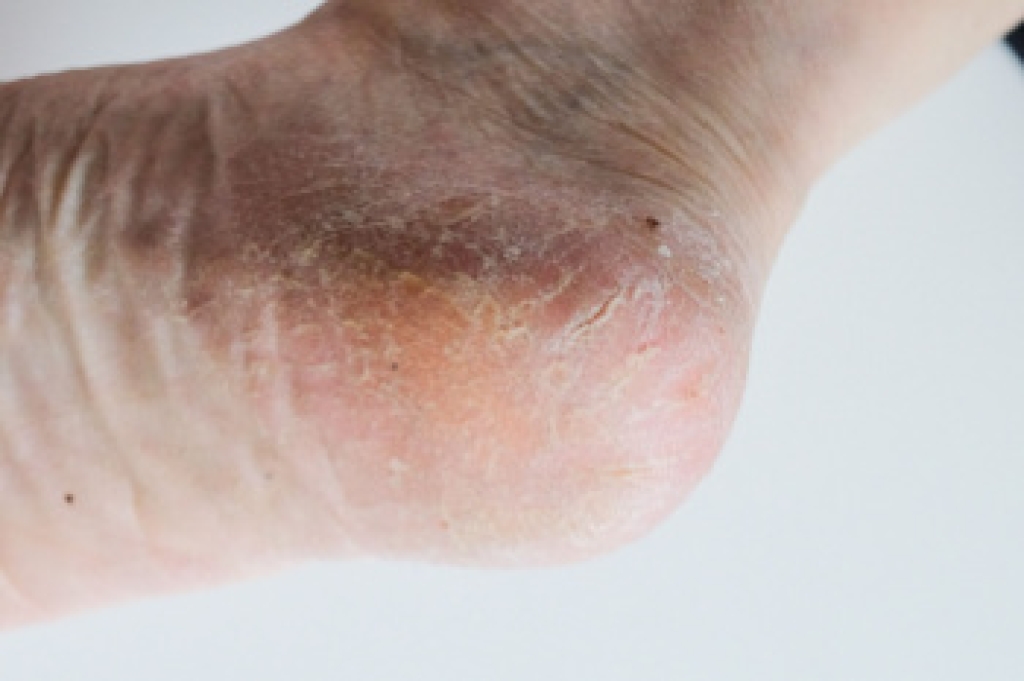
Cracked heels develop when the skin on the back of the foot becomes dry, thick, and less flexible, eventually splitting under pressure. These splits can be tender, unsightly, and sometimes deep enough to cause bleeding or infection. Restoring comfort begins with softening the skin so it can heal. Warm water soaks help loosen the outer layers, and applying a rich, emollient cream afterward locks in moisture. Regular use of products that gently break down thickened skin can also improve texture over time. Wearing supportive footwear with closed backs helps reduce pulling on the skin and prevents further cracking. Keeping socks on after moisturizing encourages better absorption and protects healing tissue. Because deeper fissures can lead to complications, especially for individuals with diabetes or circulation concerns, any persistent or painful cracking deserves attention. If your cracked heels are not improving or feel increasingly uncomfortable, it is suggested that you see a podiatrist for proper treatment and guidance.
Cracked heels are unsightly and can cause further damage to your shoes and feet. If you have any concerns, contact one of our podiatrists from Houston Foot and Ankle Care. Our doctors can provide the care you need to keep you pain-free and on your feet.
Cracked Heels
Cracked heels appear unappealing and can make it harder for you walk around in sandals. Aside from looking unpleasant, cracked heels can also tear stockings, socks, and wear out your shoes. There are several methods to help restore a cracked heel and prevent further damage.
How Do You Get Them?
Dry skin is the number one culprit in creating cracked heels. Many athletes, walkers, joggers, and even swimmers suffer from cracked heels. Age and skin oil production play a role to getting cracked heels as well.
Promote Healing
Over the counter medicines can help, especially for those that need instant relief or who suffer from chronic dry feet.
Wear Socks – Wearing socks with medicated creams helps lock in moisture.
Moisturizers – Applying both day and night will help alleviate dryness which causes cracking.
Pumice Stones – These exfoliate and remove dead skin, which allows for smoother moisturizer application and better absorption into the skin.
Change in Diet
Eating healthy with a well-balanced diet will give the skin a fresh and radiant look. Your body responds to the kinds of food you ingest. Omega-3 fatty acids and zinc supplements can also revitalize skin tissue.
Most importantly, seek professional help if unsure how to proceed in treating cracked heels. A podiatrist will help you with any questions or information needed.
If you have any questions, please feel free to contact our offices located in Inner Loop, Southwest, Greater Heights, and Pearland, TX . We offer the newest diagnostic and treatment technologies for all your foot care needs.
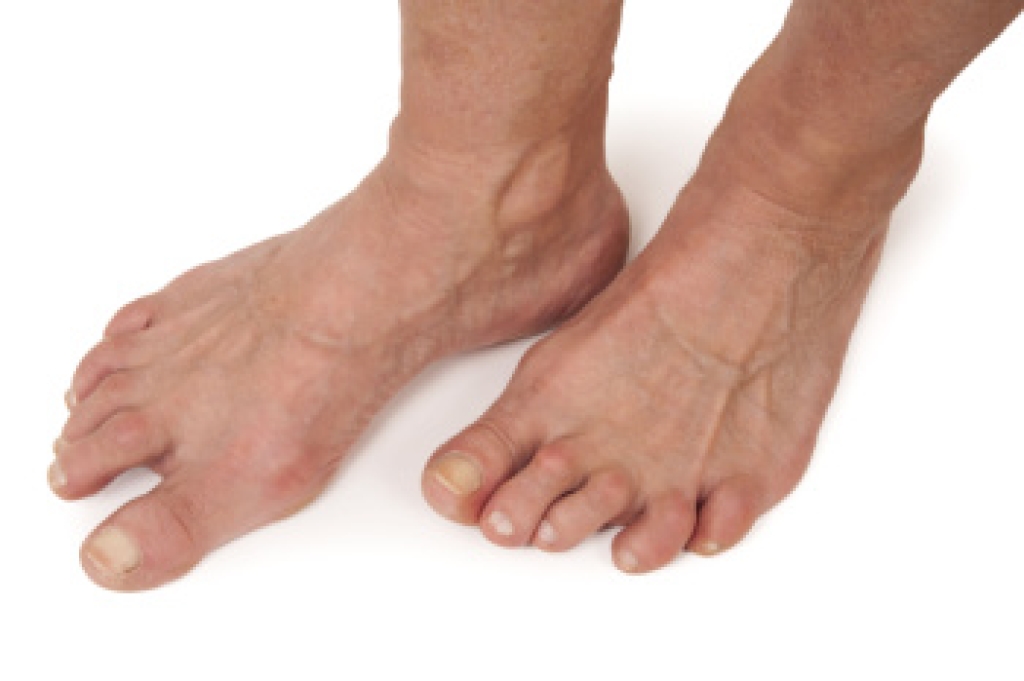
Rheumatoid arthritis, or RA, is an autoimmune condition that causes the immune system to attack the lining of the joints, leading to chronic inflammation. The feet and ankles are commonly affected because they contain many small joints that bear body weight. Persistent swelling, pain, warmth, and stiffness may develop, especially in the morning or after rest. In the midfoot, inflammation can lead to collapse of the arch and difficulty walking. In the hindfoot and ankle, joint damage may cause instability, limited motion, and progressive deformity. Over time, untreated inflammation can significantly affect mobility and quality of life. If you have symptoms of RA in your feet, it is suggested that you consult a podiatrist who can monitor joint health, provide supportive orthotics, and recommend appropriate treatment.
Because RA affects more than just your joints, including the joints in your feet and ankles, it is important to seek early diagnosis from your podiatrist if you feel like the pain in your feet might be caused by RA. For more information, contact one of our podiatrists of Houston Foot and Ankle Care. Our doctors will assist you with all of your podiatric concerns.
What Is Rheumatoid Arthritis?
Rheumatoid Arthritis (RA) is an autoimmune disorder in which the body’s own immune system attacks the membranes surrounding the joints. Inflammation of the lining and eventually the destruction of the joint’s cartilage and bone occur, causing severe pain and immobility.
Rheumatoid Arthritis of the Feet
Although RA usually attacks multiple bones and joints throughout the entire body, almost 90 percent of cases result in pain in the foot or ankle area.
Symptoms
Diagnosis
Quick diagnosis of RA in the feet is important so that the podiatrist can treat the area effectively. Your doctor will ask you about your medical history, occupation, and lifestyle to determine the origin of the condition. Rheumatoid Factor tests help to determine if someone is affected by the disease.
If you have any questions, please feel free to contact our offices located in Inner Loop, Southwest, Greater Heights, and Pearland, TX . We offer the newest diagnostic and treatment technologies for all your foot care needs.

Morton’s neuroma occurs when tissue surrounding a nerve between the toes becomes thickened, leading to burning pain, tingling, or a feeling of walking on a small object. When conservative measures such as shoe modification, orthotics, activity changes, or injections fail to provide relief, surgical intervention may be considered. The procedure is designed to reduce pressure on the irritated nerve or remove the affected nerve segment, depending on the individual case and severity of symptoms. Surgery is usually performed on an outpatient basis and often allows for a gradual return to walking with protective footwear. Healing time varies, but many patients experience meaningful improvement as inflammation resolves. Some numbness between the toes can occur following nerve removal and is considered during treatment planning. When forefoot pain continues to interfere with comfort and mobility, it is suggested that you seek evaluation by a podiatrist to help determine appropriate next steps, which may include surgery.
Foot surgery is sometimes necessary to treat a foot ailment. To learn more, contact one of our podiatrists of Houston Foot and Ankle Care. Our doctors will assist you with all of your foot and ankle needs.
When Is Surgery Necessary?
Foot and ankle surgery is generally reserved for cases in which less invasive, conservative procedures have failed to alleviate the problem. Some of the cases in which surgery may be necessary include:
What Types of Surgery Are There?
The type of surgery you receive will depend on the nature of the problem you have. Some of the possible surgeries include:
Benefits of Surgery
Although surgery is usually a last resort, it can provide more complete pain relief compared to non-surgical methods and may allow you to finally resume full activity.
Surgical techniques have also become increasingly sophisticated. Techniques like endoscopic surgery allow for smaller incisions and faster recovery times.
If you have any questions, please feel free to contact our offices located in Inner Loop, Southwest, Greater Heights, and Pearland, TX . We offer the newest diagnostic and treatment technologies for all your foot care needs.

Wearing the right running shoes plays an important role in comfort, performance, and injury prevention. Arch type influences how the foot absorbs shock and transfers force during movement. People with low arches often overpronate, meaning the foot rolls inward excessively. Stability or motion control shoes can help provide support and improve alignment. High arches tend to absorb less shock, placing more stress on the heel and forefoot. Cushioned shoes with flexible soles often work better for this foot type. Neutral arches usually function efficiently and benefit from balanced shoes that offer moderate support and cushioning. Fit, activity level, and running surface also matter when choosing footwear. A proper evaluation helps match shoe design to individual mechanics. Wearing the wrong shoe can contribute to pain or overuse injuries. If running causes foot discomfort or repeated problems, it is suggested that you see a podiatrist for treatment and guidance on proper footwear.
You should always make sure your running shoes fit properly in order to avoid injury. For more information, contact one of our podiatrists from Houston Foot and Ankle Care. Our doctors can provide the care you need to keep you pain-free and on your feet.
Choosing the Right Running Shoe for Your Foot Type
Improper shoe sizing can cause a myriad of problems for your feet. Shoes that don’t fit you properly can lead to muscular imbalances in your body, which can result in foot, knee, and hip injuries.
Tips for Finding the Right Running Shoe
If you have any questions, please feel free to contact our offices located in Inner Loop, Southwest, Greater Heights, and Pearland, TX . We offer the newest diagnostic and treatment technologies for all your foot care needs.
Connect With Us

