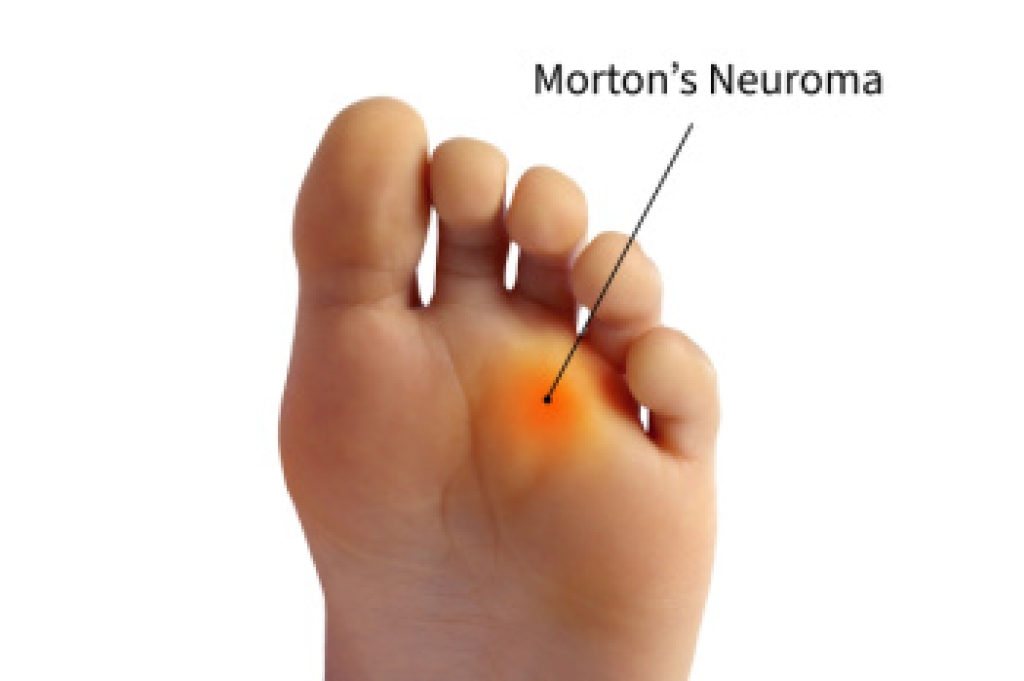
Foot Pain With Morton’s Neuroma

Morton’s neuroma is a painful condition affecting a nerve between the toes, most often between the third and fourth toes. The tissue surrounding the nerve thickens, which can cause burning pain, tingling, or the feeling of a pebble in the shoe. This problem is often linked to wearing tight footwear, high heels, or repeated stress on the foot. Treatment usually begins with simple care. Wearing wider shoes, using orthotics, and reducing pressure on the area can ease symptoms. Injections, including anti-inflammatory medicine, often help reduce swelling and pain around the nerve. If these treatments do not provide lasting relief, a surgical procedure to remove the affected nerve or release tight tissue may be considered. If you have foot pain, it is suggested that you see a podiatrist for a proper evaluation and appropriate treatment.

Morton’s neuroma is a very uncomfortable condition to live with. If you think you have Morton’s neuroma, contact one of our podiatrists of Houston Foot and Ankle Care. Our doctors will attend to all of your foot care needs and answer any of your related questions.  

Morton’s Neuroma

Morton's neuroma is a painful foot condition that commonly affects the areas between the second and third or third and fourth toe, although other areas of the foot are also susceptible. Morton’s neuroma is caused by an inflamed nerve in the foot that is being squeezed and aggravated by surrounding bones.

What Increases the Chances of Having Morton’s Neuroma?

  • Ill-fitting high heels or shoes that add pressure to the toe or foot
  • Jogging, running or any sport that involves constant impact to the foot
  • Flat feet, bunions, and any other foot deformities

Morton’s neuroma is a very treatable condition. Orthotics and shoe inserts can often be used to alleviate the pain on the forefront of the feet. In more severe cases, corticosteroids can also be prescribed. In order to figure out the best treatment for your neuroma, it’s recommended to seek the care of a podiatrist who can diagnose your condition and provide different treatment options.

If you have any questions, please feel free to contact our offices located in Inner Loop, Southwest, Greater Heights, and Pearland, TX . We offer the newest diagnostic and treatment technologies for all your foot care needs.
Read more about What is Morton's Neuroma?

Gout and Why It Affects the Big Toe

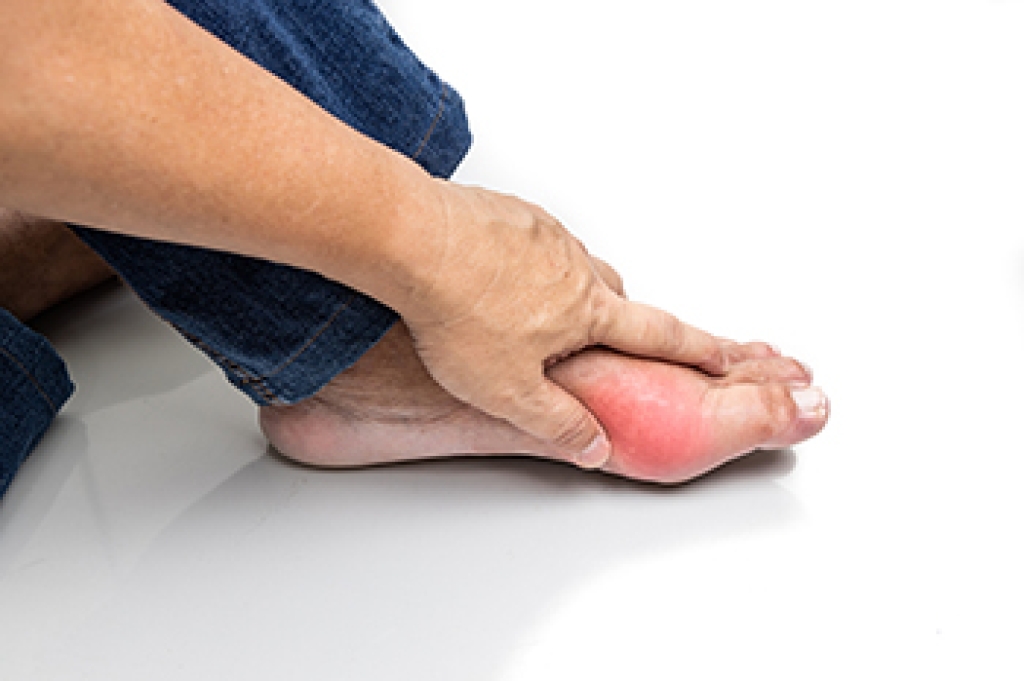
Gout is a form of arthritis caused by a buildup of uric acid in the bloodstream, leading to crystal deposits in the joints. The big toe is commonly affected because it is more prone to temperature changes and slower circulation, which encourages crystal formation. Symptoms often appear suddenly and include intense pain, redness, swelling, and warmth in the affected joint. Causes include genetics, obesity, certain medications, and decreased kidney function that limits the body’s ability to remove uric acid. Risk factors include high blood pressure and degenerative arthritis, which can increase susceptibility.  A podiatrist can help by diagnosing gout, managing pain, and recommending lifestyle changes. If you have pain in your big toe and surrounding joints, it is suggested that you consult a podiatrist who can provide a proper diagnosis and effective relief and treatment options.

Gout is a foot condition that requires certain treatment and care. If you are seeking treatment, contact one of our podiatrists from Houston Foot and Ankle Care. Our doctors will treat your foot and ankle needs.

What Is Gout?

Gout is a type of arthritis caused by a buildup of uric acid in the bloodstream. It often develops in the foot, especially the big toe area, although it can manifest in other parts of the body as well. Gout can make walking and standing very painful and is especially common in diabetics and the obese.

People typically get gout because of a poor diet. Genetic predisposition is also a factor. The children of parents who have had gout frequently have a chance of developing it themselves.

Gout can easily be identified by redness and inflammation of the big toe and the surrounding areas of the foot. Other symptoms include extreme fatigue, joint pain, and running high fevers. Sometimes corticosteroid drugs can be prescribed to treat gout, but the best way to combat this disease is to get more exercise and eat a better diet.

If you have any questions, please feel free to contact our offices located in Inner Loop, Southwest, Greater Heights, and Pearland, TX . We offer the newest diagnostic and treatment technologies for all your foot care needs.
Read more about Everything You Need to Know About Gout

Do Your Child's Feet Hurt?

Have your child's feet been examined lately? Healthy feet are happy feet. If your child is complaining of foot pain, it may be a sign of underlying problems.

How Feet Change With Age

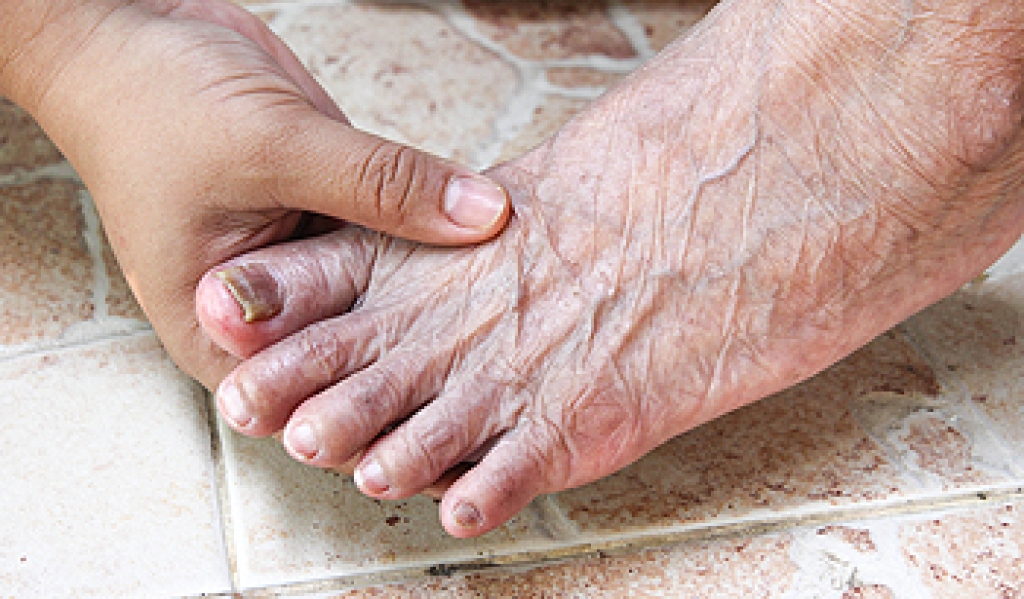
As people grow older, the feet naturally undergo changes that may increase the risk of discomfort and foot-related conditions. The supportive tissues of the feet may gradually lose elasticity and cushioning, which can lead to increased pressure on joints and bones. These changes may make older people more susceptible to foot pain and mobility concerns. Common foot problems associated with aging include arthritis, bunions, plantar fasciitis, and hammertoes. Symptoms may involve stiffness, swelling, reduced flexibility, and discomfort while walking or standing. A podiatrist can evaluate foot structure, diagnose underlying conditions, and recommend personalized treatment, such as supportive footwear guidance, custom orthotic devices, and targeted care. If you are elderly and have developed foot pain, it is suggested that you consult a podiatrist who can offer effective relief and prevention tips.

If you need your feet checked, contact one of our podiatrists of Houston Foot and Ankle Care. Our doctors will attend to all of your foot and ankle needs and provide you with quality treatment.

Geriatrics and Podiatry
When people age, some common issues that may occur are bone density loss, dry skin, poor circulation, and rough brittle nails. These issues may also affect your foot health if the necessary steps are not taken to alleviate the problems.

It is important to take care of your feet because feet that are injured or diseased can affect your overall health. Having painful feet hinders your ability to do daily activities or may decrease your willingness to do the things that you need to do.

Visiting Your Geriatrician
As we age, health problems become more likely, so it is essential to visit your doctor for check-ups to ensure that you are doing the best you can to take care of your health. It is recommended to check your feet frequently for any possible cuts, bruises, swelling, corns or any other irregularities. 

Taking Care of Elderly Feet
Cracked or dry feet can be treated by applying moisturizer often. It is also important not to wear old socks because the older the sock is, the higher the possibility there will be that there is bacteria there. Wear fresh socks and make sure they fit properly.

Proper foot health means that you can have a more active lifestyle and you will not be bogged down by pain. Foot health also leads to good circulation, which is paramount for overall health.

If you have any questions, please feel free to contact our offices located in Inner Loop, Southwest, Greater Heights, and Pearland, TX . We offer the newest diagnostic and treatment technologies for all your foot care needs.
Read more about Taking Care of Elderly Feet

Why Corns and Calluses Develop on Athletes’ Feet

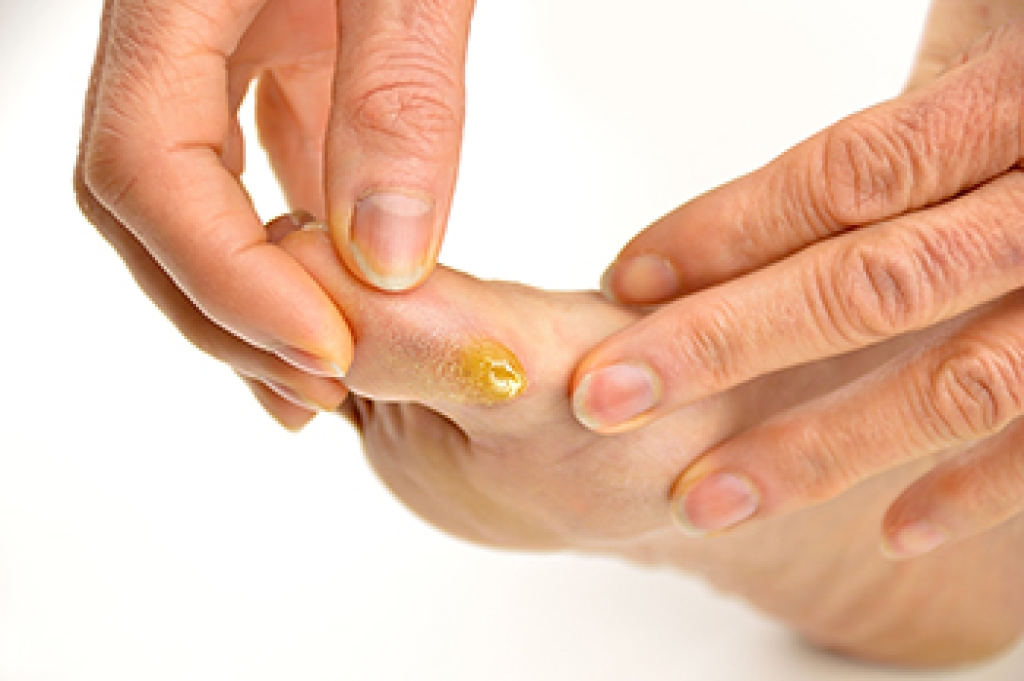
Athletes place repeated pressure on their feet during running, jumping, and quick direction changes. Over time, this constant friction and stress can cause the skin to thicken in certain areas. Corns and calluses are the body’s natural response to protect the skin from ongoing pressure. Calluses usually appear as larger areas of thickened skin on the ball of the foot or heel, while corns are smaller and often form on the tops or sides of toes where shoes rub. Although this thickened skin may begin as a protective response, it can become painful if it continues to build up. Wearing poorly fitting athletic shoes, tight cleats, or foot structure differences may increase pressure on certain parts of the foot. Proper footwear, protective padding, and routine foot care may help reduce irritation. When corns or calluses become painful or keep returning, it is suggested that you see a podiatrist for an evaluation and appropriate treatment.

If you have any concerns regarding your feet and ankles, contact one of our podiatrists of Houston Foot and Ankle Care. Our doctors will treat your foot and ankle needs.

Corns: What Are They? and How Do You Get Rid of Them?
Corns can be described as areas of the skin that have thickened to the point of becoming painful or irritating. They are often layers and layers of the skin that have become dry and rough, and are normally smaller than calluses.

Ways to Prevent Corns
There are many ways to get rid of painful corns such as wearing:

  • Well-fitting socks
  • Comfortable shoes that are not tight around your foot
  • Shoes that offer support

Treating Corns
Treatment of corns involves removing the dead skin that has built up in the specific area of the foot. Consult with Our doctors to determine the best treatment option for your case of corns.

If you have any questions, please feel free to contact our offices located in Inner Loop, Southwest, Greater Heights, and Pearland, TX . We offer the newest diagnostic and treatment technologies for all your foot care needs.

Read more about Corns: What Are They, and How Do You Get Rid of Them

Connect With Us

Advanced Podiatric Procedures & Services in the Houston, TX 77027, 77074, 77007 and Pearland, TX 77584 areas