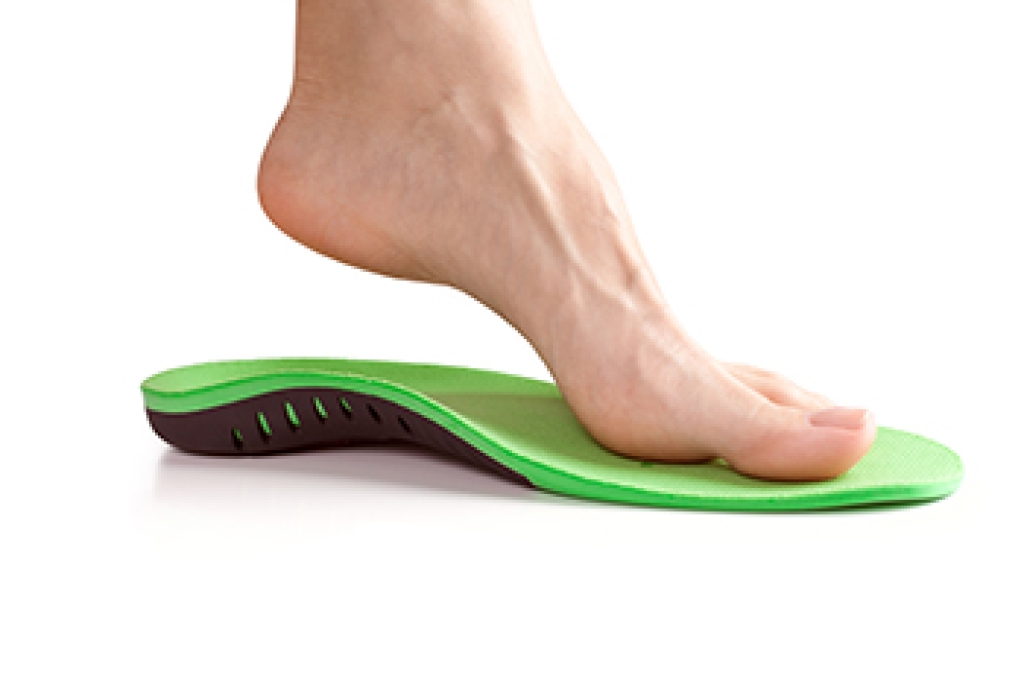
How Orthotics Support Foot Health

Orthotics are medical devices designed to support the feet and improve how they function during movement. They may help align the foot, correct certain deformities, or prevent existing problems from worsening. Foot orthotics can also reduce pressure on painful areas and support a natural walking pattern. These devices are used for several foot and ankle problems, including plantar fasciitis, arthritis, and flat feet. Orthotics may also be useful for certain tendon problems or sports injuries. By changing how forces are distributed across the foot, an orthotic device can reduce abnormal pressure during weight-bearing activities.


Different types of orthotics are available depending on a person’s foot structure and medical needs. Prefabricated orthotics are standardized devices that can be prescribed for several foot problems. Custom foot orthotics are individually made and may be appropriate when specific support is required. Some custom devices provide cushioning and absorb shock, while others are more rigid to help control unwanted foot movement. Orthotic treatment may improve mobility and reduce discomfort. For example, arch support can help redistribute pressure in people with flat feet. Certain orthotic devices can also reduce stress on damaged tendons or help control movement in arthritic joints.


A podiatrist can evaluate foot mechanics and determine whether orthotics may be appropriate for a particular condition. This evaluation can include examining the foot’s structure and identifying areas experiencing excessive pressure. A podiatrist can then recommend an orthotic based on the specific problem rather than using a one-size-fits-all approach. The goal may be to improve alignment, reduce pain, or protect sensitive areas of the foot. Orthotics can be part of a broader treatment plan for both short-term and long-term foot conditions. The appropriate device depends on the diagnosis and amount of support required. If foot or ankle pain continues to interfere with comfortable movement, it is suggested that you make an appointment with a podiatrist.

If you are having discomfort in your feet and would like to try orthotics, contact one of our podiatrists from Houston Foot and Ankle Care. Our doctors can provide the care you need to keep you pain-free and on your feet.

What Are Orthotics?

Orthotics are inserts you can place into your shoes to help with a variety of foot problems such as flat feet or foot pain. Orthotics provide relief and comfort for minor foot and heel pain but can’t correct serious biomechanical problems in your feet.

Over-the-Counter Inserts

Orthotics come in a wide variety of over-the-counter inserts that are used to treat foot pain, heel pain, and minor problems. For example, arch supports can be inserted into your shoes to help correct overarched or flat feet, while gel insoles are often used because they provide comfort and relief from foot and heel pain by alleviating pressure.

Prescription Orthotics

If over-the-counter inserts don’t work for you or if you have a more severe foot concern, it is possible to have your podiatrist prescribe custom orthotics. These high-quality inserts are designed to treat problems such as abnormal motion, plantar fasciitis, and severe forms of heel pain. They can even be used to help patients suffering from diabetes by treating foot ulcers and painful calluses and are usually molded to your feet individually, which allows them to provide full support and comfort.

If you are experiencing minor to severe foot or heel pain, it’s recommended to speak with your podiatrist about the possibilities of using orthotics. A podiatrist can determine which type of orthotic is right for you and allow you to take the first steps towards being pain-free.

If you have any questions, please feel free to contact our offices located in Inner Loop, Southwest, Greater Heights, and Pearland, TX . We offer the newest diagnostic and treatment technologies for all your foot care needs.

Read more about Foot Orthotics

How Systemic Sclerosis Can Change Foot Function

Systemic sclerosis is an autoimmune disease that causes abnormal changes in connective tissue. It is often associated with hardened or tightened skin, but its effects can extend deeper into the body. The feet may be affected because systemic sclerosis can involve blood vessels, nerves, joints, and surrounding tissues. These changes can make walking less comfortable and may alter the way the foot supports the body during daily activities.

Foot symptoms can include swelling, stiffness,  and pain. Some people experience cold toes or changes in toe color because blood vessels can narrow during Raynaud's phenomenon. Tight skin may make the toes feel restricted and uncomfortable inside shoes. In some cases, small sores or ulcers can develop, especially when circulation is reduced. Risk factors include a personal or family history of autoimmune disease. Smoking and repeated cold exposure can also contribute to circulation problems.

The foot normally works as a flexible support system that absorbs impact and helps the body move forward. Systemic sclerosis can interfere with this process. Stiff skin or joints may reduce flexibility, while painful areas can cause a person to change their walking pattern. A podiatrist can evaluate circulation, sensation, and skin condition. They may also look at joint movement, and pressure areas. Treatment may involve protective footwear, pressure reduction, and regular monitoring. If a sore is present, the podiatrist can assess its severity and recommend appropriate care while watching for infection or delayed healing.

Living with systemic sclerosis does not mean you have to ignore changes in your feet. Simple daily checks can help you notice redness, swelling, or sores, early. Keeping the feet protected from pressure and cold can also be helpful. Because foot problems may become more difficult to manage when circulation is affected, early evaluation matters. If systemic sclerosis is affecting your feet, it is suggested that you consult a podiatrist for an accurate diagnosis and appropriate treatment.

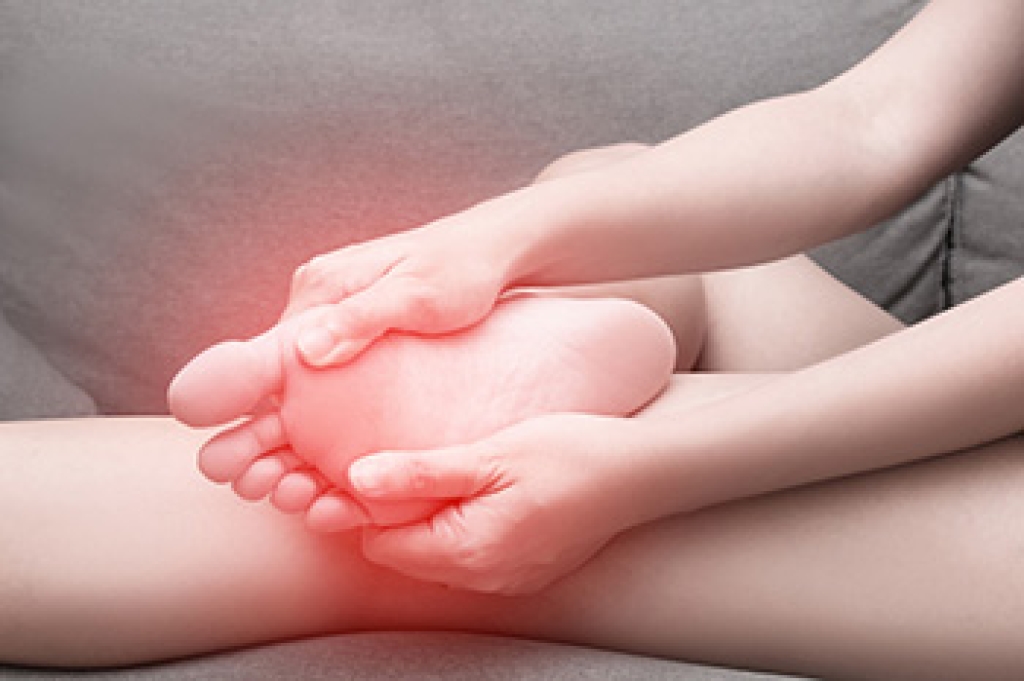
Foot Pain

Foot pain can be extremely painful and debilitating. If you have a foot pain, consult with one of our podiatrists from Houston Foot and Ankle Care. Our doctors will assess your condition and provide you with quality foot and ankle treatment.

Causes

Foot pain is a very broad condition that could be caused by one or more ailments. The most common include:

  • Bunions
  • Hammertoes
  • Plantar Fasciitis
  • Bone Spurs
  • Corns
  • Tarsal Tunnel Syndrome
  • Ingrown Toenails
  • Arthritis (such as Gout, Rheumatoid, and Osteoarthritis)
  • Flat Feet
  • Injury (from stress fractures, broken toe, foot, ankle, Achilles tendon ruptures, and sprains)
  • And more

Diagnosis

To figure out the cause of foot pain, podiatrists utilize several different methods. This can range from simple visual inspections and sensation tests to X-rays and MRI scans. Prior medical history, family medical history, and any recent physical traumatic events will all be taken into consideration for a proper diagnosis.

Treatment

Treatment depends upon the cause of the foot pain. Whether it is resting, staying off the foot, or having surgery; podiatrists have a number of treatment options available for foot pain.

If you have any questions, please feel free to contact our offices located in Inner Loop, Southwest, Greater Heights, and Pearland, TX . We offer the newest diagnostic and treatment technologies for all your foot care needs.
Read more about Foot Pain

Choosing Hiking Shoes That Protect Your Feet

Choosing the right hiking shoes can make every trail more comfortable, and help reduce foot problems. Hiking shoes support the feet during outdoor activity. Hiking boots provide more ankle coverage and offer added stability on rocky terrain. Symptoms of wearing poor footwear include foot pain, blisters, or sore toes. Risk factors include long hikes, steep trails, and shoes that fit poorly. The right footwear should match your trail and your foot shape.

Hikers may choose lightweight hiking shoes for easier trails or boots for rougher terrain. Look for a secure heel, enough toe room, and a sturdy and flexible sole. Protection matters because rocks and roots can stress the feet. Comfort is important because pressure can worsen during a long hike. Boots that are light weight can reduce fatigue, while breathability helps manage moisture. Try hiking footwear with your socks and walk around before buying.


Wearing the wrong hiking shoes can contribute to blisters, corns, and ankle discomfort. Shoes that squeeze the toes may create pressure and rubbing. Loose footwear can cause sliding and friction. Poor support may increase strain on the arches and heels. To prevent problems, trace your foot when ordering footwear online, and compare the outline with the shoe shape. Try on shoes later in the day when the feet are larger.


If hiking foot pain develops, a podiatrist can examine your feet, review your footwear, and identify the cause. Treatment may include activity changes, protective padding, or custom orthotics, when appropriate. A podiatrist may also treat blisters, corns, or inflammation, and monitor healing when symptoms persist. If you develop foot pain from wearing the wrong shoes while hiking, it is suggested that you consult a podiatrist for an accurate diagnosis and appropriate treatment solutions.

If you are a runner, wearing the right running shoe is essential. For more information, contact one of our podiatrists from Houston Foot and Ankle Care. Our doctors can provide the care you need to keep you pain-free and on your feet.

Choosing the Right Running Shoe for Your Foot Type

To increase performance and avoid the risk of injury, it is important to choose the right running shoe based on your foot type. The general design of running shoes revolves around pronation, which is how the ankle rolls from outside to inside when the foot strikes the ground.

  • Neutral runners are able to choose from a wide variety of shoes, including minimalist shoes or even going barefoot.
  • Runners who overpronate, or experience an over-abundance of ankle rolling, should choose shoes that provide extra motion control and stability.
  • Runners who underpronate, or supinate, have feet that have high arches and lack flexibility, preventing shock absorption. They require shoes with more flexibility and cushion.

If you have any questions, please feel free to contact our offices located in Inner Loop, Southwest, Greater Heights, and Pearland, TX . We offer the newest diagnostic and treatment technologies for all your foot care needs.

Read more about Choosing the Right Running Shoe

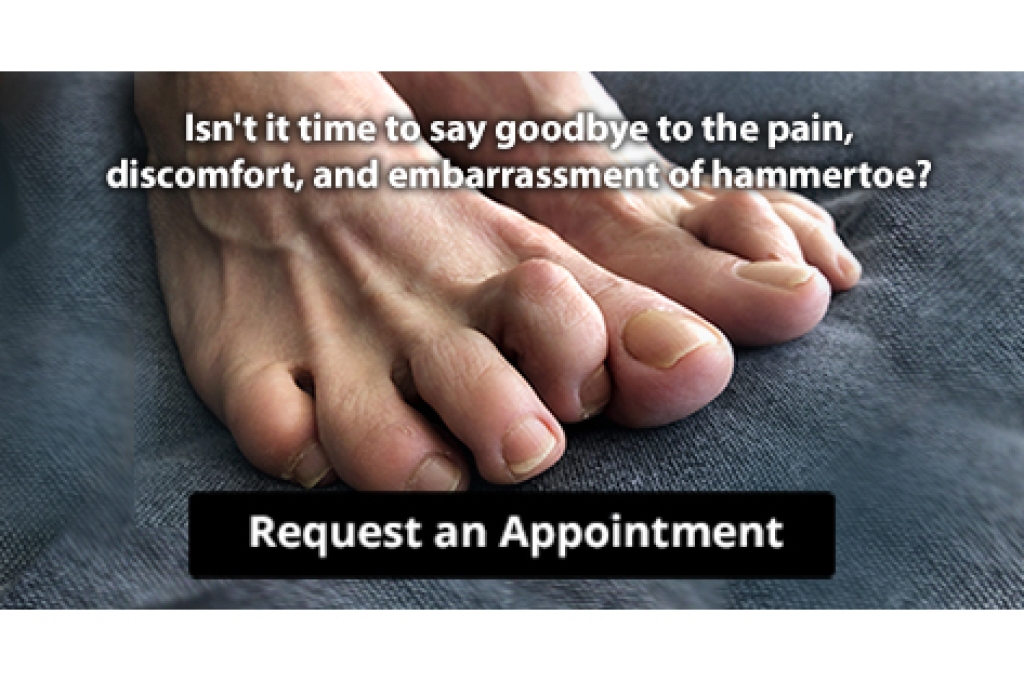
Do You Suffer From Painful Feet?

Painful deformities, such as hammertoes, can be treated. Stop living with foot pain, and have beautiful feet again!

Running Smarter to Prevent Injuries

Running is a great way to stay active, but repeated stress on the feet and legs can increase the risk of injury. Runners of all experience levels can develop problems, especially when training intensity rises too quickly. Overuse injuries are particularly common because repetitive running places continued stress on muscles, tendons, and bones. Stress fractures can develop in the foot or lower leg from repeated pounding and continuing to run through early pain. Gradually increasing mileage and pace can help the body adjust to the demands of running while reducing unnecessary strain.


A well-planned training schedule plays an important role in running-injury prevention. Alternating shorter and longer mileage days can reduce repetitive stress, while avoiding constant training on hills or uneven surfaces may also lower injury risk. Rest days are important because excessive training does not allow enough time for recovery. Running mechanics also matter. Poor form during long-distance running may increase the chance of repeated injuries. Strength throughout the legs, hips, and core can support better running performance and help protect the body from injury. Pain that continues while walking or does not improve with rest should be evaluated by a podiatrist.


Foot and ankle health are especially important for runners because these areas repeatedly absorb force with every step. A podiatrist can evaluate running-related foot pain and look for problems that may affect movement or increase injury risk. An assessment can help identify concerns involving foot mechanics and determine whether an injury needs further treatment. Seeking podiatry care early may also prevent a minor running injury from becoming a more serious problem. This is especially important for persistent pain that affects walking or normal activity. If foot or ankle pain is interfering with your running or continuing between workouts, it is suggested that you consult a podiatrist for an evaluation and appropriate treatment options.

All runners should take extra precaution when trying to avoid injury. If you have any concerns about your feet, contact one of our podiatrists of Houston Foot and Ankle Care. Our doctors will treat your foot and ankle needs.

How to Prevent Running Injuries

There are a lot of mistakes a runner can make prior to a workout that can induce injury. A lot of athletes tend to overstretch before running, instead of saving those workouts for a post-run routine. Deep lunges and hand-to-toe hamstring pulls should be performed after a workout instead of during a warmup. Another common mistake is jumping into an intense routine before your body is physically prepared for it. You should try to ease your way into long-distance running instead of forcing yourself to rush into it.

More Tips for Preventing Injury

  • Incorporate Strength Training into Workouts - This will help improve the body’s overall athleticism
  • Improve and Maintain Your Flexibility – Stretching everyday will help improve overall performance
  • “Warm Up” Before Running and “Cool Down” Afterward – A warm up of 5-10 minutes helps get rid of lactic acid in the muscles and prevents delayed muscle soreness
  • Cross-Training is Crucial
  • Wear Proper Running Shoes
  • Have a Formal Gait Analysis – Poor biomechanics can easily cause injury

If you have any questions, please feel free to contact our offices located in Inner Loop, Southwest, Greater Heights, and Pearland, TX . We offer the newest diagnostic and treatment technologies for all your foot care needs.

Read more about Preventing Running Injuries

Connect With Us

Advanced Podiatric Procedures & Services in the Houston, TX 77027, 77074, 77007 and Pearland, TX 77584 areas