Items filtered by date: June 2025

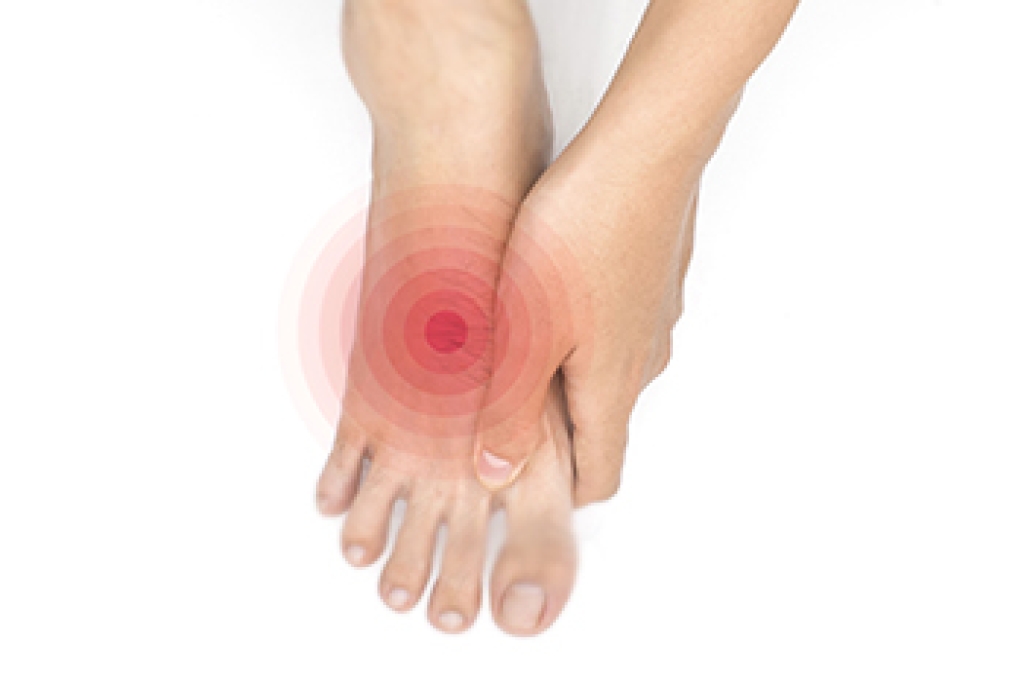
For diabetics, foot ulcers and infections can escalate quickly, sometimes leading to the threat of limb loss. Limb salvage is more than preserving a foot or leg. It can be critical to survival. Studies have shown that major limb losses are linked to a significant drop in life expectancy and quality of life. Preventing this outcome involves early detection, advanced wound care, and improved circulation. Coordinated treatment is also important to control infection and protect tissue. Limb salvage often includes working with a podiatrist and other health care providers to address the full scope of the problem. Saving the limb also helps preserve mobility, independence, and overall health. If you have a non-healing wound or signs of infection in the foot, it is suggested that you are under the care of a podiatrist who can provide a proper diagnosis and appropriate treatment.

Diabetic Limb Salvage

Diabetic limb salvage can be an effective way in preventing the need for limb amputation. If you have a foot ulcer and diabetes, consult with one of our podiatrists from Houston Foot and Ankle Care. Our doctors will assess your condition and provide you with quality foot and ankle treatment.

What Is Diabetic Limb Salvage?

Diabetic limb salvage is the attempt of saving a limb, such as the foot, that has an infected ulcer, from amputation. Podiatrists also try to make sure that there is enough function in the foot after the salvage that it is still usable. Those with diabetes experience poor blood circulation, which prevents proper healing of an ulcer. If the ulcer is left uncheck, it could become infected, which could result in the need for amputation.

Diabetes is the number one cause of non-traumatic amputations in the United States. Amputation has been found to lead to higher mortality rates. This translates into higher healthcare costs, and a reduced quality of life and mobility for amputees. Podiatrists have attempted to increase the prevalence of limb salvage in an attempt to solve these issues.

Diagnosis and Treatment

Limb salvage teams have grown in recent years that utilize a number of different treatments to save the infected limb. This includes podiatrists that specialize in wound care, rehabilitation, orthotics, and surgery. Through a combination of these methods, limb salvage has been found to be an effective treatment for infected limbs, and as an alternative to amputation. Podiatrists will first evaluate the potential for limb salvage and determine if the limb can be saved or must be amputated. 

If you have any questions, please feel free to contact our offices located in Inner Loop, Southwest, Greater Heights, and Pearland, TX . We offer the newest diagnostic and treatment technologies for all your foot care needs.

Read more about Diabetic Limb Salvage

Your feet are covered most of the day. If you're diabetic, periodic screening is important for good health. Numbness is often a sign of diabetic foot and can mask a sore or wound.

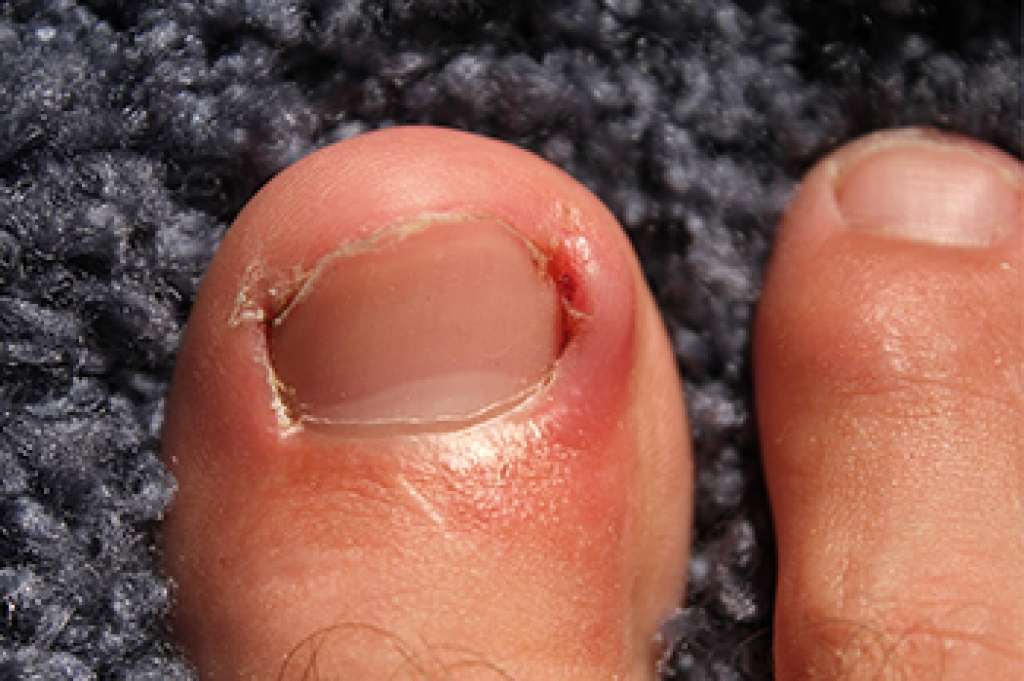
Runner's toenail, also known as black toenail, is  caused by repeated trauma to the toes during running. This often leads to discoloration, pain, or even loss of a toenail. It typically results from the nail repeatedly hitting the inside of the shoe during activity. To prevent it, keep toenails trimmed, tie shoes securely, wear cushioned socks, and increase mileage gradually. Properly fitting shoes are essential to avoid pressure on the toes. A podiatrist can help by evaluating your gait, recommending footwear, and treating damaged nails to prevent infection. If you notice pain or discoloration in your toenails after running, it is suggested that you schedule an appointment with a podiatrist for expert care and personalized prevention strategies.

All runners should take extra precaution when trying to avoid injury. If you have any concerns about your feet, contact one of our podiatrists of Houston Foot and Ankle Care. Our doctors will treat your foot and ankle needs.

How to Prevent Running Injuries

There are a lot of mistakes a runner can make prior to a workout that can induce injury. A lot of athletes tend to overstretch before running, instead of saving those workouts for a post-run routine. Deep lunges and hand-to-toe hamstring pulls should be performed after a workout instead of during a warmup. Another common mistake is jumping into an intense routine before your body is physically prepared for it. You should try to ease your way into long-distance running instead of forcing yourself to rush into it.

More Tips for Preventing Injury

  • Incorporate Strength Training into Workouts - This will help improve the body’s overall athleticism
  • Improve and Maintain Your Flexibility – Stretching everyday will help improve overall performance
  • “Warm Up” Before Running and “Cool Down” Afterward – A warm up of 5-10 minutes helps get rid of lactic acid in the muscles and prevents delayed muscle soreness
  • Cross-Training is Crucial
  • Wear Proper Running Shoes
  • Have a Formal Gait Analysis – Poor biomechanics can easily cause injury

If you have any questions, please feel free to contact our offices located in Inner Loop, Southwest, Greater Heights, and Pearland, TX . We offer the newest diagnostic and treatment technologies for all your foot care needs.
Read more about Preventing Running Injuries

Prolonged standing at work can lead to ongoing strain on the feet, toes, and ankles, especially when movement is limited. Occupations that require standing in one place for extended periods, such as retail, restaurant, or medical roles, can increase the risk of heel pain, arch fatigue, swollen feet, and joint stiffness. Standing for long periods at work causes pressure to build in the lower limbs, which can affect circulation and muscle function. Foot pain is often worsened by shoes that lack proper support and high heels, which can add extra stress to the forefoot and toes. Over time, this may contribute to the development of plantar fasciitis, bunions, or tendon inflammation. A podiatrist can assess foot structure and gait to determine how prolonged standing is affecting your feet. Treatment may include recommendations for better footwear, the use of custom orthotics to improve foot support, and, in severe cases, surgery to correct structural damage. If you have foot pain from standing at work for long periods of time, it is suggested that you schedule  an appointment with a podiatrist.

While working on the feet, it is important to take the proper care of them. For more information about working on your feet, contact one of our podiatrists from Houston Foot and Ankle Care. Our doctors will treat your foot and ankle needs.

Working on Your Feet

Standing on your feet for long periods of time can cause stress and pain in your feet. Your whole body may experience change in terms of posture, back pain, bunions, callouses and or plantar warts. There are ways to avoid these conditions with proper foot care, smart choices and correct posture.

Positive Changes

Negative heeled shoe – Choosing this shoe type places the heel slightly lower than the ball of the foot. These are great for overall foot health. Find shoes that fit you correctly.

Go barefoot – Our feet were not designed to be enclosed for all hours of the day. Try to periodically expose your feet to air.

Eliminate Pain

Foot Exercises – Performing simple exercises, incorporating yoga and doing stretches are beneficial. This will allow increased blood flow to the area and muscles of the foot.

Achilles tendon – Stretching the foot out flat on the floor will relax the calf muscles and tendon. These exercises can be performed almost anywhere. Make sure you add these exercises to your daily regimen. 

With a little bit of this information and knowing more about foot health, you will notice changes. Foot stretches and proper footwear will help with pain and prevent further issues.

If you have any questions please contact our offices located in Inner Loop, Southwest, Greater Heights, and Pearland, TX . We offer the newest diagnostic and treatment technologies for all your foot and ankle needs.

Read more about Working on Your Feet
Tuesday, 03 June 2025 00:00

Understanding Anterior Tibial Tendonitis

Anterior tibial tendonitis is an overuse injury that affects a tendon that connects the tibialis anterior muscle to the front of the ankle. This muscle is key to moving your foot upward and turning it inward. This condition is caused by repetitive activities, such as running, especially on hard surfaces or with improper footwear. It can also result from sudden increases in activity or abnormal foot mechanics. Symptoms include pain and swelling along the front of the ankle, particularly when walking, running, or climbing stairs. The pain may worsen with activity and feel like a dull ache or sharp pain, making it difficult to lift the foot properly. In more severe cases, it causes tenderness or weakness in the ankle. A podiatrist can diagnose anterior tibial tendonitis through physical exams and imaging tests. Treatment options include anti-inflammatory medication, targeted exercises, and custom orthotics to address foot alignment. In rare cases, corticosteroid injections or surgery may be considered. If you have ankle pain, it is suggested that you schedule an appointment with a podiatrist for appropriate treatment.

Ankle pain can have many different causes and the pain may potentially be serious. If you have ankle pain, consult with one of our podiatrists from Houston Foot and Ankle Care. Our doctors will assess your condition and provide you with quality foot and ankle treatment.

Ankle pain is any condition that causes pain in the ankle. Due to the fact that the ankle consists of tendons, muscles, bones, and ligaments, ankle pain can come from a number of different conditions.

Causes

The most common causes of ankle pain include:

  • Types of arthritis (rheumatoid, osteoarthritis, and gout)
  • Ankle sprains
  • Broken ankles
  • Achilles tendinitis
  • Achilles tendon rupture
  • Stress fractures
  • Tarsal tunnel syndrome
  • Plantar fasciitis

Symptoms

Symptoms of ankle injury vary based upon the condition. Pain may include general pain and discomfort, swelling, aching, redness, bruising, burning or stabbing sensations, and/or loss of sensation.

Diagnosis

Due to the wide variety of potential causes of ankle pain, podiatrists will utilize a number of different methods to properly diagnose ankle pain. This can include asking for personal and family medical histories and of any recent injuries. Further diagnosis may include sensation tests, a physical examination, and potentially x-rays or other imaging tests.

Treatment

Just as the range of causes varies widely, so do treatments. Some more common treatments are rest, ice packs, keeping pressure off the foot, orthotics and braces, medication for inflammation and pain, and surgery.

If you have any questions please feel free to contact our offices located in Inner Loop, Southwest, Greater Heights, and Pearland, TX . We offer the newest diagnostic tools and technology to treat your foot and ankle needs.

Read more about Ankle Pain

Connect With Us

Advanced Podiatric Procedures & Services in the Houston, TX 77027, 77074, 77007 and Pearland, TX 77584 areas