
Custom orthotics, or shoe inserts, should be periodically replaced. Orthotics must fit properly to give you the best results. Protect your feet and ankles!
Custom orthotics, or shoe inserts, should be periodically replaced. Orthotics must fit properly to give you the best results. Protect your feet and ankles!

The Achilles tendon is a band of tissue that connects the calf muscles to the heel bone. It helps move the foot while taking a step, running, or jumping. Despite its strength, the tendon can rupture when it is exposed to sudden, powerful force. Achilles tendon ruptures occur in high-impact sports like football, basketball, and soccer. Athletes in their 30s and 40s can face greater risk because the tendon tissue can weaken with age while they remain active in demanding sports.
An Achilles tendon rupture can happen without warning. A sudden change in direction, awkward landing, or forceful push from the foot can place stress on the tendon. Some people have tissue changes before the injury but experience no previous pain. A rupture can leave the tendon disconnected, reducing the ability of the calf muscle to move the foot. Recovery can be lengthy because the tendon and surrounding tissues need time to heal and regain strength. Treatment can involve surgery or a nonsurgical approach, depending on the injury and the patient's activity goals.
A podiatrist can evaluate Achilles tendon pain or a suspected rupture and determine the extent of the injury. The examination can assess movement, strength, and the connection between the calf and heel. Treatment can protect the injured tendon while it heals and help restore function. A podiatrist can also discuss ways to reduce injury risk, including choosing shoes that provide proper support and are appropriate for the activity. Returning to sports requires careful planning because recovery from a rupture can take many months. If you have injured your Achilles tendon, it is suggested that you schedule an appointment with a podiatrist for effective relief and treatment solutions.
Achilles tendon injuries need immediate attention to avoid future complications. If you have any concerns, contact one of our podiatrists of Houston Foot and Ankle Care. Our doctors can provide the care you need to keep you pain-free and on your feet.
What Is the Achilles Tendon?
The Achilles tendon is a tendon that connects the lower leg muscles and calf to the heel of the foot. It is the strongest tendon in the human body and is essential for making movement possible. Because this tendon is such an integral part of the body, any injuries to it can create immense difficulties and should immediately be presented to a doctor.
What Are the Symptoms of an Achilles Tendon Injury?
There are various types of injuries that can affect the Achilles tendon. The two most common injuries are Achilles tendinitis and ruptures of the tendon.
Achilles Tendinitis Symptoms
Rupture Symptoms
Treatment and Prevention
Achilles tendon injuries are diagnosed by a thorough physical evaluation, which can include an MRI. Treatment involves rest, physical therapy, and in some cases, surgery. However, various preventative measures can be taken to avoid these injuries, such as:
If you have any questions please feel free to contact our offices located in Inner Loop, Southwest, Greater Heights, and Pearland, TX . We offer the newest diagnostic tools and technology to treat your foot and ankle needs.

A foot stress fracture is a small crack in a bone caused by repeated pressure. It develops when bone tissue breaks down faster than the body can rebuild it. Runners, dancers, and athletes in high-impact sports face greater risk. A sudden increase in training can place too much strain on the feet. Other risk factors include low bone strength, poor foot alignment, and shoes that lack proper support. Pain usually develops gradually and worsens with activity. Swelling and tenderness can occur near the injured bone.
A podiatrist can determine whether the pain comes from a stress fracture or another foot problem. The examination includes a review of recent activities, the location of tenderness, and changes in training habits. X-rays can help identify a fracture, but a hairline crack does not always appear. A podiatrist can order an MRI scan or another imaging test for a closer view. Early diagnosis is important because continued pressure can enlarge the crack and delay healing. A serious fracture can also move out of its normal position. Surgery is rarely required, but it can become necessary when a fracture is unstable or fails to heal properly.
Rest from the activity that caused the injury gives the bone time to heal. A podiatrist can protect the foot with a walking boot, cast, or crutches. The choice depends on the injured bone and the severity of the crack. Follow-up visits allow the podiatrist to track healing and decide when activity can safely resume. Returning too quickly raises the chance of another injury. Prevention includes increasing training by no more than 10 percent each week and avoiding sudden changes in intensity. Patients should choose well-fitting shoes designed for their activity and replace worn-out pairs. A podiatrist can assess foot structure, recommend custom orthotics, and guide a safe return to exercise. If you have symptoms of a foot stress fracture, it is suggested that you schedule an appointment with a podiatrist for a diagnosis and appropriate treatment.
Stress fractures occur when there is a tiny crack within a bone. To learn more, contact one of our podiatrists from Houston Foot and Ankle Care. Our doctors can provide the care you need to keep you pain free and on your feet.
How Are They Caused?
Stress fractures are the result of repetitive force being placed on the bone. Since the lower leg and feet often carry most of the body’s weight, stress fractures are likely to occur in these areas. If you rush into a new exercise, you are more likely to develop a stress fracture since you are starting too much, too soon. Pain resulting from stress fractures may go unnoticed at first, however it may start to worsen over time.
Risk Factors
Stress fractures do not always heal properly, so it is important that you seek help from a podiatrist if you suspect you may have one. Ignoring your stress fracture may cause it to worsen, and you may develop chronic pain as well as additional fractures.
If you have any questions please contact our offices located in Inner Loop, Southwest, Greater Heights, and Pearland, TX . We offer the newest diagnostic and treatment technologies for all your foot and ankle needs.

Falls in seniors can affect mobility, independence, and overall quality of life. Many falls are linked to gait and balance disorders. These may be caused by underlying medical conditions, such as arthritis, neurological disorders, or vision problems. As the body ages, muscle strength and coordination can decline, making it more difficult to maintain stability during daily activities.
Symptoms related to fall risk often include unsteady walking, weakness in the legs, and difficulty maintaining balance. Seniors may feel unsure when standing or turning, and they may rely more on support from walls or furniture. Foot and ankle discomfort can also contribute to instability, especially if pain limits proper movement. Recognizing these warning signs early can help reduce the likelihood of a fall and prevent serious injury.
The causes of falls in seniors are often complex. Gait and balance disorders can result from chronic conditions that affect the muscles, joints, or nervous system. Wearing poor footwear, uneven surfaces, and inadequate lighting can further increase the risk. Falls can lead to foot and ankle injuries, such as fractures, sprains, or soft tissue damage, which may take longer to heal in older adults. These injuries can reduce mobility and contribute to a cycle of decreased activity and increased fall risk.
Risk factors for falls include advanced age, reduced muscle strength, and certain medications that affect coordination or alertness. A history of previous falls also increases the likelihood of future incidents. Maintaining proper foot health, wearing supportive shoes, and addressing balance concerns can help improve stability. If you have incurred foot and ankle injuries from falling, it is suggested that you consult a podiatrist for effective relief tips, treatment solutions, and guidance on how to prevent falling.
Preventing falls among the elderly is very important. If you are older and have fallen or fear that you are prone to falling, consult with one of our podiatrists from Houston Foot and Ankle Care. Our doctors will assess your condition and provide you with quality advice and care.
Every 11 seconds, an elderly American is being treated in an emergency room for a fall related injury. Falls are the leading cause of head and hip injuries for those 65 and older. Due to decreases in strength, balance, senses, and lack of awareness, elderly persons are very susceptible to falling. Thankfully, there are a number of things older persons can do to prevent falls.
How to Prevent Falls
Some effective methods that older persons can do to prevent falls include:
Falling can be a traumatic and embarrassing experience for elderly persons; this can make them less willing to leave the house, and less willing to talk to someone about their fears of falling. Doing such things, however, will increase the likelihood of tripping or losing one’s balance. Knowing the causes of falling and how to prevent them is the best way to mitigate the risk of serious injury.
If you have any questions, please feel free to contact our offices located in Inner Loop, Southwest, Greater Heights, and Pearland, TX . We offer the newest diagnostic and treatment technologies for all your foot care needs.
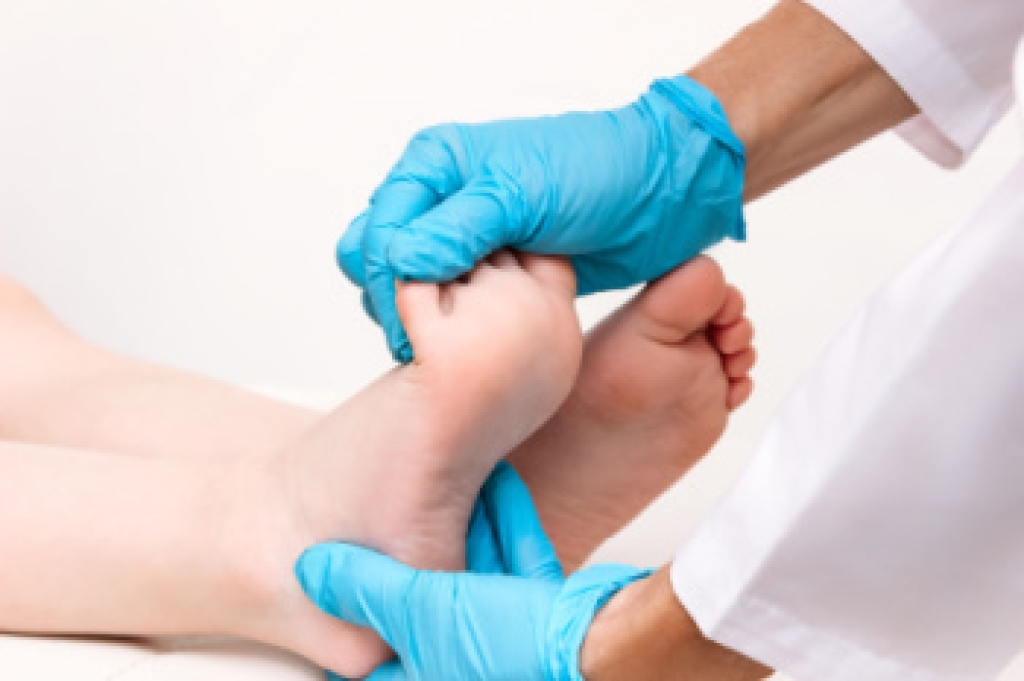
Foot and leg problems in children are often related to growth and development, but some conditions may require attention to prevent long-term issues. Common concerns include in-toeing, out-toeing, and flat foot. These conditions affect how a child walks and stands, and they can influence balance and coordination. In-toeing occurs when the feet turn inward when walking. It is often caused by metatarsus adductus, a condition in which the front part of the foot curves inward. Out-toeing involves the feet turning outward and is frequently linked to external tibial torsion, where the shin bone rotates outward.
Symptoms of in-toeing may include a noticeable inward foot position, frequent tripping, and uneven shoe wear. Children with metatarsus adductus may have a curved forefoot that is visible even when at rest. Out-toeing symptoms include an outward foot position, difficulty running efficiently, and a wider walking stance. External tibial torsion may become more noticeable as a child grows and becomes more active. Flat foot is another common condition in children, characterized by a low or absent arch when standing. Symptoms of flat foot can include foot fatigue, discomfort after activity, and inward rolling of the ankles.
Several risk factors contribute to these pediatric foot conditions. Genetics play a significant role, as children may inherit structural traits that affect foot alignment. External tibial torsion may develop as bones grow and rotate. Flat foot is often seen in younger children due to undeveloped arches, but it may persist in some cases. Obesity, improper footwear, and lack of supportive shoes can increase stress on developing feet and worsen symptoms.
Early recognition and proper care are essential for supporting healthy foot development in children. Supportive footwear and, in some cases, custom orthotics may help improve alignment and comfort. If your child has foot pain, it is suggested that you consult a podiatrist for an accurate diagnosis and appropriate treatment.
Making sure that your children maintain good foot health is very important as they grow. If you have any questions, contact one of our podiatrists of Houston Foot and Ankle Care. Our doctors can provide the care you need to keep you pain-free and on your feet.
Keeping Children's Feet Healthy
Having healthy feet during childhood can help prevent medical problems later in life, namely in the back and legs. As children grow, their feet require different types of care. Here are some things to consider...
Although babies do not walk yet, it is still very important to take care of their feet.
Avoid putting tight shoes or socks on his or her feet.
Allow the baby to stretch and kick his or her feet to feel comfortable.
As a toddler, kids are now on the move and begin to develop differently. At this age, toddlers are getting a feel for walking, so don’t be alarmed if your toddler is unsteady or ‘walks funny’.
As your child gets older, it is important to teach them how to take care of their feet.
Show them proper hygiene to prevent infections such as fungus.
Be watchful for any pain or injury.
Have all injuries checked by a doctor as soon as possible.
Comfortable, protective shoes should always be worn, especially at play.
If you have any questions, please feel free to contact our offices located in Inner Loop, Southwest, Greater Heights, and Pearland, TX . We offer the newest diagnostic and treatment technologies for all your foot care needs.
Connect With Us

