
Anterior tibial tendonitis is an overuse injury that affects a tendon that connects the tibialis anterior muscle to the front of the ankle. This muscle is key to moving your foot upward and turning it inward. This condition is caused by repetitive activities, such as running, especially on hard surfaces or with improper footwear. It can also result from sudden increases in activity or abnormal foot mechanics. Symptoms include pain and swelling along the front of the ankle, particularly when walking, running, or climbing stairs. The pain may worsen with activity and feel like a dull ache or sharp pain, making it difficult to lift the foot properly. In more severe cases, it causes tenderness or weakness in the ankle. A podiatrist can diagnose anterior tibial tendonitis through physical exams and imaging tests. Treatment options include anti-inflammatory medication, targeted exercises, and custom orthotics to address foot alignment. In rare cases, corticosteroid injections or surgery may be considered. If you have ankle pain, it is suggested that you schedule an appointment with a podiatrist for appropriate treatment.
Ankle pain can have many different causes and the pain may potentially be serious. If you have ankle pain, consult with one of our podiatrists from Houston Foot and Ankle Care. Our doctors will assess your condition and provide you with quality foot and ankle treatment.
Ankle pain is any condition that causes pain in the ankle. Due to the fact that the ankle consists of tendons, muscles, bones, and ligaments, ankle pain can come from a number of different conditions.
Causes
The most common causes of ankle pain include:
- Types of arthritis (rheumatoid, osteoarthritis, and gout)
- Ankle sprains
- Broken ankles
- Achilles tendinitis
- Achilles tendon rupture
- Stress fractures
- Tarsal tunnel syndrome
- Plantar fasciitis
Symptoms
Symptoms of ankle injury vary based upon the condition. Pain may include general pain and discomfort, swelling, aching, redness, bruising, burning or stabbing sensations, and/or loss of sensation.
Diagnosis
Due to the wide variety of potential causes of ankle pain, podiatrists will utilize a number of different methods to properly diagnose ankle pain. This can include asking for personal and family medical histories and of any recent injuries. Further diagnosis may include sensation tests, a physical examination, and potentially x-rays or other imaging tests.
Treatment
Just as the range of causes varies widely, so do treatments. Some more common treatments are rest, ice packs, keeping pressure off the foot, orthotics and braces, medication for inflammation and pain, and surgery.
If you have any questions, please feel free to contact our offices located in Inner Loop, Southwest, Greater Heights, and Pearland, TX . We offer the newest diagnostic and treatment technologies for all your foot care needs.
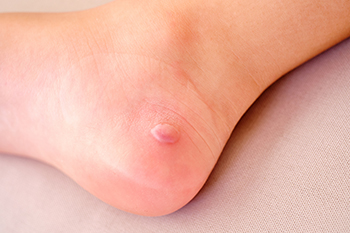
An infected foot blister can become a serious issue if not treated promptly. Common symptoms include increased redness, swelling, warmth, and pain around the blister site. The area may also produce pus or a yellowish fluid, and a foul odor might be present. In some cases, the skin surrounding the blister becomes hard or discolored, and the person may develop a fever or feel generally unwell. These signs indicate the body is reacting to an infection. Blisters can become infected due to friction, poor hygiene, or puncturing the blister with unclean objects. Wearing tight shoes, walking for long periods, or having underlying health conditions like diabetes can also contribute to infection. If you have developed a foot blister that looks like it is infected, it is suggested that you promptly contact a podiatrist who can offer appropriate treatment solutions.
Blisters may appear as a single bubble or in a cluster. They can cause a lot of pain and may be filled with pus, blood, or watery serum. If your feet are hurting, contact one of our podiatrists of Houston Foot and Ankle Care. Our doctors can provide the care you need to keep you pain-free and on your feet.
Foot Blisters
Foot blisters are often the result of friction. This happens due to the constant rubbing from shoes, which can lead to pain.
What Are Foot Blisters?
A foot blister is a small fluid-filled pocket that forms on the upper-most layer of the skin. Blisters are filled with clear fluid and can lead to blood drainage or pus if the area becomes infected.
Symptoms
(Blister symptoms may vary depending on what is causing them)
- Bubble of skin filled with fluid
- Redness
- Moderate to severe pain
- Itching
Prevention & Treatment
In order to prevent blisters, you should be sure to wear comfortable shoes with socks that cushion your feet and absorb sweat. Breaking a blister open may increase your chances of developing an infection. However, if your blister breaks, you should wash the area with soap and water immediately and then apply a bandage to the affected area. If your blisters cause severe pain it is important that you call your podiatrist right away.
If you have any questions, please feel free to contact our offices located in Inner Loop, Southwest, Greater Heights, and Pearland, TX . We offer the newest diagnostic and treatment technologies for all your foot care needs.

Have your child's feet been examined lately? Healthy feet are happy feet. If your child is complaining of foot pain, it may be a sign of underlying problems.

Preventing falls in the elderly requires attention to several common risk factors. Muscle weakness, especially in the legs, can negatively affect balance. Medication side effects, such as dizziness or drowsiness, may also increase fall risk. Chronic health conditions like arthritis, diabetes, or neurological disorders can interfere with mobility and coordination. Vision changes often make it harder to detect obstacles or judge distances. Inactivity over time can reduce strength and flexibility, making daily movements less steady. Additionally, risky behaviors like standing on a chair to reach high places further increase the chance of a fall. To reduce risk, older adults should stay physically active, use mobility aids when necessary, and ensure home safety. If you have fallen and injured your feet or ankles, it is suggested that you promptly contact a podiatrist who can treat various foot conditions, and guide you on additional fall prevention strategies.
Preventing falls among the elderly is very important. If you are older and have fallen or fear that you are prone to falling, consult with one of our podiatrists from Houston Foot and Ankle Care. Our doctors will assess your condition and provide you with quality advice and care.
Every 11 seconds, an elderly American is being treated in an emergency room for a fall related injury. Falls are the leading cause of head and hip injuries for those 65 and older. Due to decreases in strength, balance, senses, and lack of awareness, elderly persons are very susceptible to falling. Thankfully, there are a number of things older persons can do to prevent falls.
How to Prevent Falls
Some effective methods that older persons can do to prevent falls include:
- Enrolling in strength and balance exercise program to increase balance and strength
- Periodically having your sight and hearing checked
- Discuss any medications you have with a doctor to see if it increases the risk of falling
- Clearing the house of falling hazards and installing devices like grab bars and railings
- Utilizing a walker or cane
- Wearing shoes that provide good support and cushioning
- Talking to family members about falling and increasing awareness
Falling can be a traumatic and embarrassing experience for elderly persons; this can make them less willing to leave the house, and less willing to talk to someone about their fears of falling. Doing such things, however, will increase the likelihood of tripping or losing one’s balance. Knowing the causes of falling and how to prevent them is the best way to mitigate the risk of serious injury.
If you have any questions, please feel free to contact our offices located in Inner Loop, Southwest, Greater Heights, and Pearland, TX . We offer the newest diagnostic and treatment technologies for all your foot care needs.

